
Luxurious brands have historically been associated with refinement, uniqueness, and fine craftsmanship. The contemporary luxury consumer is changing, though, and sustainability, customization, and technology innovation are becoming more and more important. The greatest luxury brands in the world have adapted to these changes by continuing to uphold their reputation for classic craftsmanship while adjusting to the tastes of modern consumers. Here are a few of the most recognizable luxury companies that have perfected this fine balance.
What Thought Leaders Think
Porsche Balances Heritage with Innovation
Porsche, in my opinion, finest captures legacy, exclusivity, and classic craftsmanship. Porsche has a reputation for unmatched quality, classic design, and great performance. It has over 70 years of automotive supremacy.
Porsche is aware of the trend in consumer preferences toward greater technological integration and sustainability. As a result, Porsche is increasing the number of hybrid and all-electric vehicles it offers, including the Taycan. But Porsche has remained loyal to the core of its brand, making sure that even in its electric cars, performance and driving pleasure are prioritized.
Porsche also keeps releasing limited-edition and special models that appeal to aficionados looking for luxury and exclusivity. Porsche’s racing history is honored with models like the 911 GT2 RS, which push the limits of performance. By remaining true to its brand and striking a balance between history and innovation, Porsche maintains enduring relevance and passion among luxury consumers.

Haiko de Poel Jr, Fractional Chief Marketing Officer, Surety Bonds Co
Chanel Evolves for Modern Luxury
One luxury brand that embodies timeless craftsmanship, exclusivity, and heritage is Chanel. Chanel offers luxurious products with high-end materials, resulting in the allure of these products. The brand is also known for its rich history and tradition. In terms of adapting to changing consumer preferences, luxury brands are evolving strategies to embrace the transformation in the luxury experience.
Chanel, like other brands, enhances in-store experiences and emphasizes their heritage and craftsmanship to survive and thrive in the modern market. They are also expanding their product offerings, sometimes to include more affordable items, to reach a wider audience without sacrificing exclusivity. This strategy may ensure they remain competitive and continue to appeal to both traditional and modern luxury consumers.

Faizan Khan, Public Relations and Content Marketing Specialist, Ubuy Australia
Louis Vuitton Embraces Eco-Friendly Innovation
I believe Louis Vuitton best embodies timeless craftsmanship, exclusivity, and heritage. Louis Vuitton has over 150 years of history in designing and producing iconic leather goods and luggage.
Louis Vuitton recognizes changing preferences for sustainable and ethically-sourced materials. They’ve implemented more eco-friendly practices, using renewable energy and recycled materials. However, they stay dedicated to the highest quality and craftsmanship.
Louis Vuitton frequently releases limited collections, like the recent capsule with artist Cindy Sherman, appealing to those seeking rare, exclusive pieces. They also collaborate with prominent artists and designers to push creative boundaries.
Louis Vuitton has endured by embracing innovation while honoring their heritage. This balance of new and nostalgic is how iconic brands remain timeless.

Cameron Gawley, Owner, Cameron Gawley
Rolex: Tradition Meets Digital Engagement
As the industry leader in luxury watchmaking, Rolex is renowned for its flawless construction and timeless design. However, legends must also adapt to the modern world, and Rolex has done just that.
They’ve embraced the digital era and are using online ads and social media to reach younger people. innovative materials and designs have also been added, keeping the classic Rolex feel while also making the watches fascinating and innovative.
Furthermore, they are more than just fashionable. In addition, Rolex is dedicated to sustainability and social responsibility, collaborating with institutions that are truly changing the world.
The reason Rolex is at the top of its game is their unique blend of innovation and tradition. They demonstrate that even a well-known brand can stay relevant and exciting, without sacrificing the quality and craftsmanship that have made them an icon.

Michael Gargiulo, Founder, CEO, VPN.com
Bentley Merges Classic Elegance with Technology
Bentley is a luxury brand that exemplifies timeless craftsmanship, exclusivity, and heritage. It’s adapting to modern consumers by incorporating advanced technologies and sustainable practices into its vehicles, all while preserving the classic elegance and superior craftsmanship that define the brand.

Bradley Fry, Owner, PinProsPlus
Hermès Combines Craftsmanship with Digital Presence
Hermès has consistently been a model of classic luxury. Customers who place the highest importance on quality and tradition are drawn to their renown for workmanship and uniqueness.
However, even well-known brands must change. Hermès has embraced the internet world, delivering their stories and merchandise to online audiences in a way that is authentic to their brand and seems contemporary. They’ve also made progress in the direction of sustainability, demonstrating that luxury and accountability can coexist. Their ability to combine innovation and tradition keeps them at the forefront of the business.

David Abraham, CEO, Bluesoft Design
Patek Philippe: Exclusivity Meets Personalization
In my opinion, Patek Philippe is the pinnacle of classic craftsmanship, exclusivity, and legacy in the world of luxury goods. Since the 19th century, this Swiss watchmaker has been creating some of the most sought-after timepieces in the world, and they have never compromised on their dedication to accuracy and creativity. The intriguing thing about Patek Philippe is how they have appealed to contemporary collectors who desire a piece of history rather than just a watch, while simultaneously managing to preserve their illustrious heritage.
Patek Philippe has demonstrated remarkable agility in accommodating evolving consumer inclinations. They’ve adopted personalized designs and limited editions, which reflects the premium market’s growing demand for individualization. They have, however, continued to be somewhat elusive, preserving an air of exclusivity.

Chris Bajda, E-commerce Entrepreneur & Managing Partner, Groomsday
Have Your Say
⭐⭐⭐⭐⭐
Alignment with the UN SDGs
The article aligns with several Sustainable Development Goals (SDGs) by highlighting luxury brands that balance traditional craftsmanship with modern sustainability practices and innovative consumer engagement. Here’s how:
1. Responsible Consumption and Production (SDG 12)
- Brands like Louis Vuitton and Hermès incorporate eco-friendly materials, renewable energy, and sustainable practices into their production. The emphasis on ethical sourcing and high-quality craftsmanship helps minimize waste, encouraging sustainable consumer habits within the luxury sector.
2. Climate Action (SDG 13)
- Porsche and Bentley have integrated electric and hybrid technology into their automotive lines, demonstrating a commitment to reducing their environmental footprint. By promoting eco-friendly alternatives, these brands set an example for climate-conscious luxury.
3. Decent Work and Economic Growth (SDG 8)
- High standards of craftsmanship, as seen in Chanel and Rolex, foster skilled labor and preserve artisan trades. By investing in craftsmanship and ethical labor practices, these brands contribute to economic stability and provide meaningful employment opportunities.
4. Industry, Innovation, and Infrastructure (SDG 9)
- Luxury brands like Rolex and Patek Philippe innovate with materials, design, and technology while maintaining traditional values. By merging timeless craftsmanship with digital engagement, these companies support modern infrastructure and pave the way for industry advancements.
5. Sustainable Cities and Communities (SDG 11)
- Brands such as Bentley and Porsche contribute to sustainable cities by introducing electric vehicles that align with the push for eco-friendly urban spaces. Their adaptation helps reduce emissions and fosters cleaner, more sustainable communities.
6. Partnerships for the Goals (SDG 17)
- Through collaborations with artists, designers, and conservation organizations, brands like Louis Vuitton and Hermès promote partnerships that enrich cultural and environmental initiatives. These alliances bring together creativity and purpose, amplifying efforts aligned with the SDGs.
By balancing innovation, heritage, and a commitment to sustainability, these luxury brands contribute to a more responsible, eco-conscious industry while meeting the evolving expectations of modern consumers.
Related

Verses That Transform Leadership
What poem or line quietly changes how you face big decisions or challenges? Explore this expert roundup to see how literary insights guide real-life choices and personal resilience.

Written Works That Shaped Thinking
What single insight can quietly reshape how you approach challenges, relationships, or career decisions? Explore this expert roundup to see how reflective reading can transform everyday thinking and choices.

Exploring Narrative, Healing, and the Human Mind with Verlin Darrow
Ever wondered how surviving earthquakes, outrunning tornadoes, and dodging a gun shaped a mystery writer’s mind? Discover Verlin’s extraordinary life experiences and how they feed the thrilling stories on every page.
Continue reading Exploring Narrative, Healing, and the Human Mind with Verlin Darrow
Exploring Story, Place, and Imagination with Dust Kunkel
Ever wondered how a childhood across continents and rivers becomes the fuel for storytelling? Discover how Dust Kunkel’s life shaped his novel and worldview — read the full interview to explore it.
Continue reading Exploring Story, Place, and Imagination with Dust Kunkel
Something went wrong. Please refresh the page and/or try again.
Other Highlights

Looking for something?
Type in your keyword(s) below and click the “Search” button.
Helpful Shortcuts
More Stories






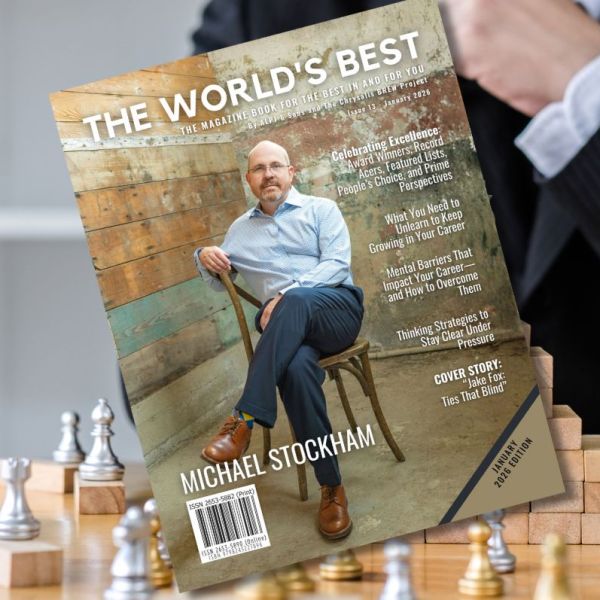





















Print and Digital Magazine
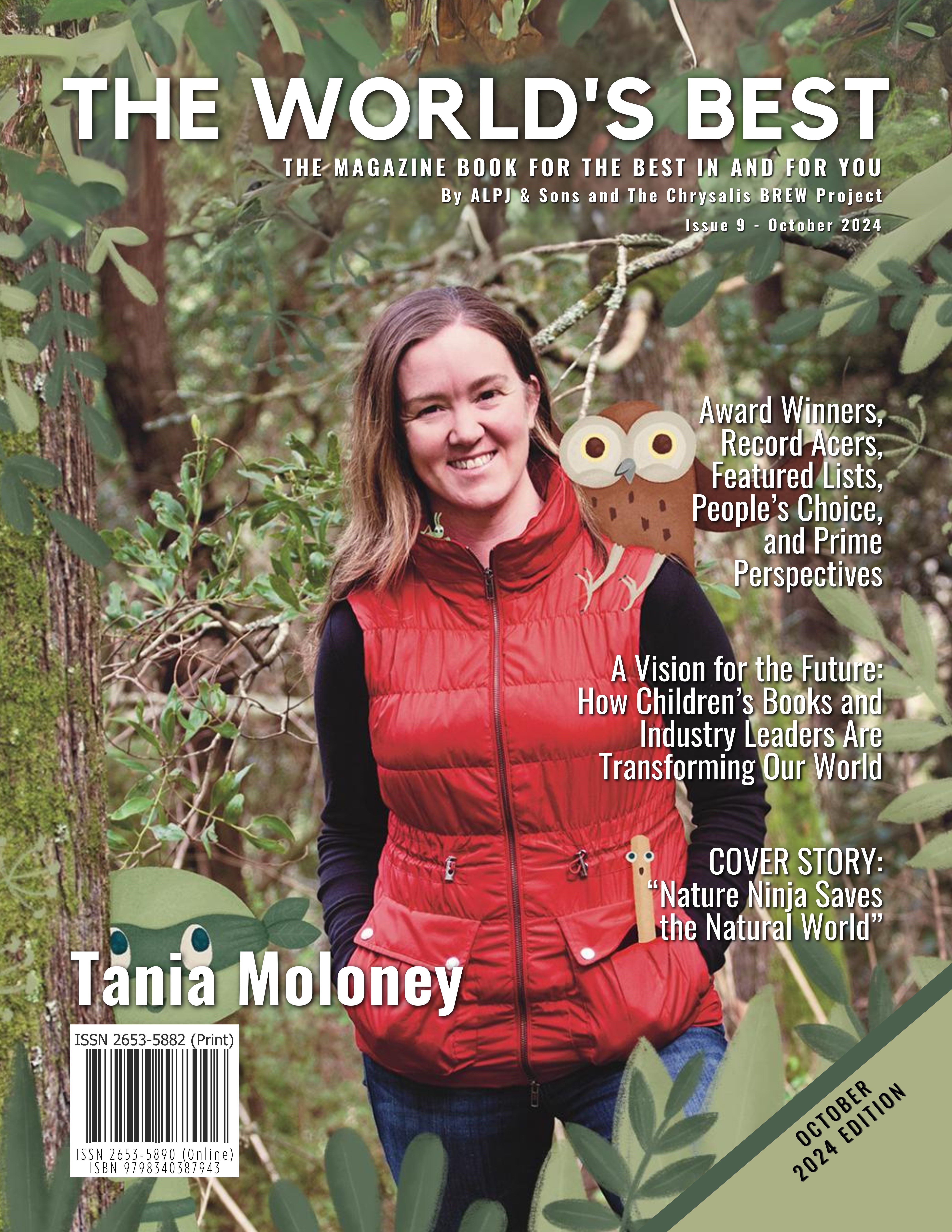
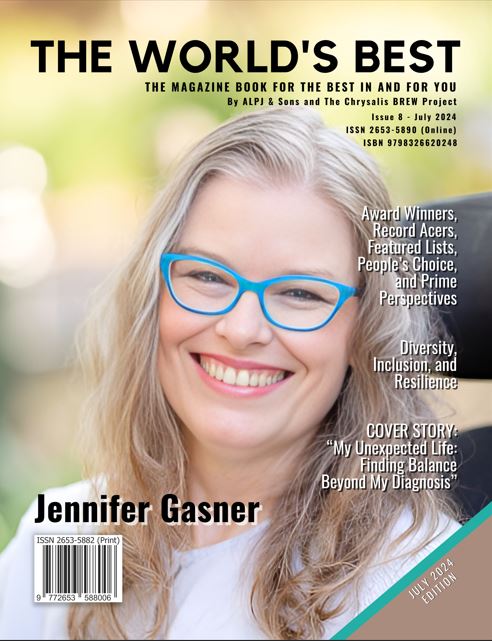

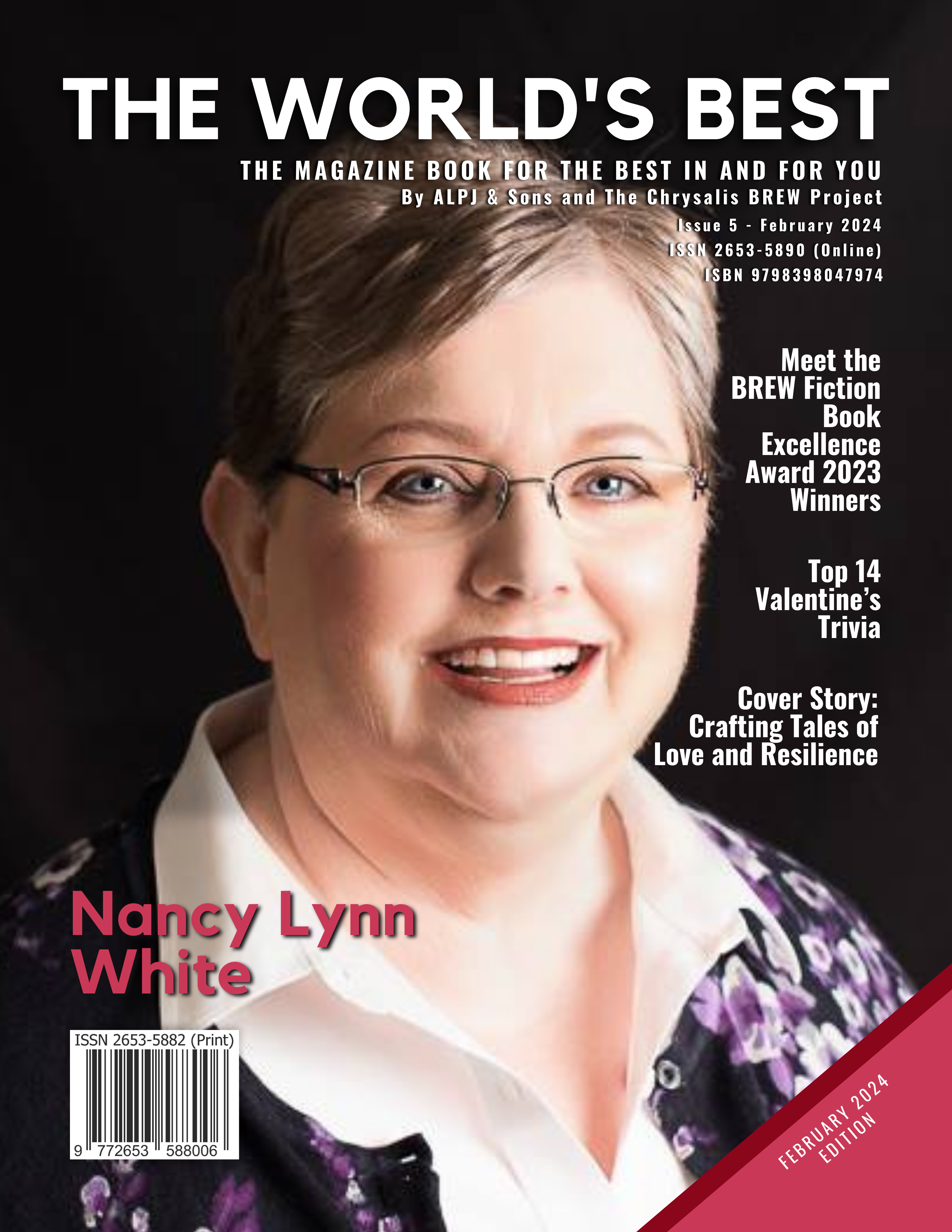

Don’t just read about greatness. Own it!

About Us
The World’s Best Magazine is a print and online publication that highlights the extraordinary. It is your passport to a universe where brilliance knows no bounds. Celebrating outstanding achievements in various fields and industries, we curate and showcase the exceptional, groundbreaking, and culturally significant. Our premier laurels, The World’s Best Awards, commend excellence through a unique process involving subject matter experts and a worldwide audience vote. Explore with us the pinnacle of human achievement and its intersection with diversity, innovation, creativity, and sustainability.
We recognise and honour the Traditional Owners of the land upon which our main office is situated. We extend our deepest respects to Elders past, present, and emerging. We celebrate the stories, culture, and traditions of Aboriginal and Torres Strait Islander Elders from all communities who also reside and work on this land.
Disclaimer: The World’s Best does not provide any form of professional advice. All views and opinions expressed in each post are the contributor’s own. Whereas we implement editorial policies and aim for content accuracy, the details shared on our platforms are intended for informational purposes only. We recommend evaluating each third-party link or site independently, as we cannot be held responsible for any results from their use. In all cases and with no exceptions, you are expected to conduct your own research and seek professional assistance as necessary prior to making any financial, medical, personal, business, or life-changing decisions arising from any content published on this site. All brands and trademarks mentioned belong to their respective owners. Your continued use of our site means you agree with all of these and our other site policies, terms, and conditions. For more details, please refer to the links below.
About | Advertise | Awards | Blogs | Contact | Disclaimer | Submissions | Subscribe | Privacy | Publications | Terms | Winners
The World’s Best: A Magazine That’s All About What’s Great | theworldsbestmagazine.com | Copyright ⓒ 2022-2026
Let’s connect
Discover more from The World's Best
Subscribe to get the latest posts sent to your email.

 The World's Best
We need to celebrate brands’ alignment with the UN SDGs and keep asking more social and environmental responsibilities from major economical players. Kudos!
LikeLike