
“My father’s note to me before he passed away said, ‘Write their story; tell the world what really happened to them.’ This mission became my driving force, inspiring me to preserve and share stories of resilience, hope, and survival.”
– Dr. Roni Rosenthal
For Dr. Roni Rosenthal, the poignant words from her father have been a guiding light in her life’s work. An award-winning author, writer, and Language and Literature Professor at the University of Maryland system, Dr. Rosenthal is dedicated to bringing to life the stories of those who have been silenced by history. Born and raised in Israel and named after her grandfather, Aharon, who passed away just before her birth, Rosenthal carries a profound sense of legacy and responsibility.
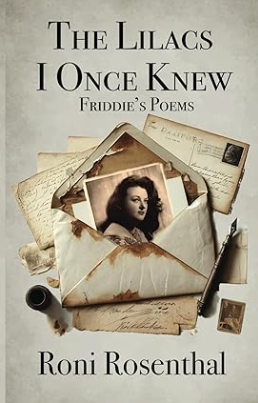
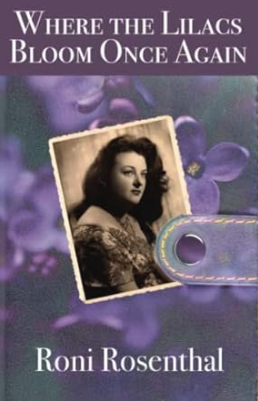
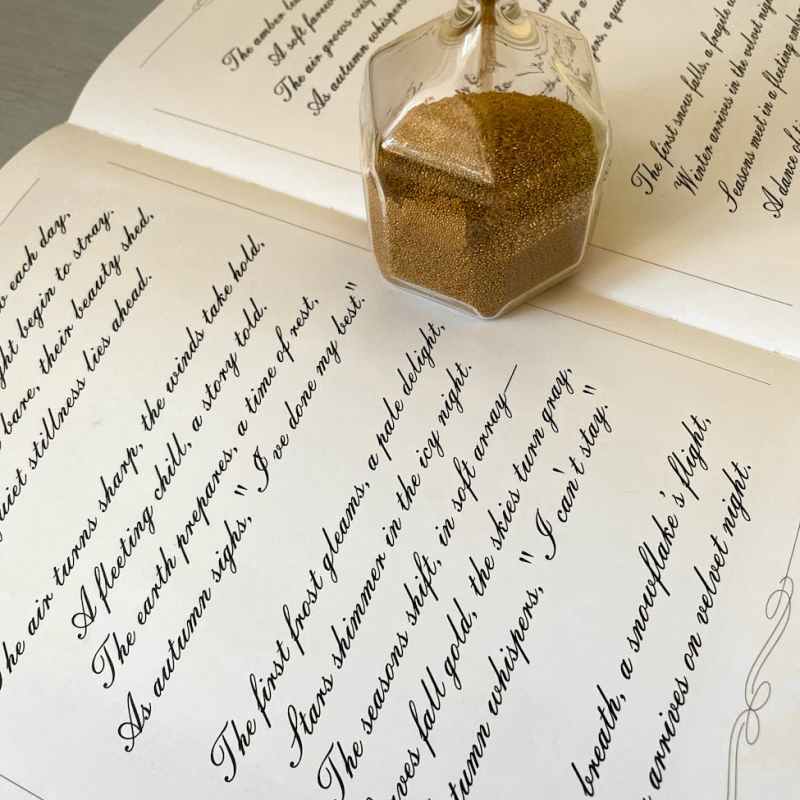
Her dedication to education, communication, and empowerment is evident not only in her literary works but also in her role as the Director of Judaic Studies and a Hebrew Literature Professor. Through her books – “Where the Lilacs Bloom Once Again” and “The Lilacs I Once Knew: Friddie’s Poems” – which have both received the BREW Seal of Excellence and several other awards, and her frequent speaking engagements at workshops, universities, and schools, Dr. Rosenthal has committed to ensure that the voices of the less fortunate are heard. She firmly believes that stories are powerful vehicles for greater messages and that truth must be told, explored, and revealed.
In this exclusive interview, Dr. Rosenthal shares her journey of translating and restoring the poignant poetry of her grandmother’s cousin, Friddie, and discusses the challenges and triumphs she encountered along the way. Her work is a testament to the enduring strength of the human spirit and the importance of preserving historical narratives for future generations.
TWB: Can you tell us about the promise you made to your father and how it led to the creation of your books, “Where the Lilacs Bloom Once Again” and “The Lilacs I Once Knew: Friddie’s Poems”?
DRR: My father’s note to me before he passed away said, “Write their story, tell the world what really happened to them.” This mission became my driving force, inspiring me to preserve and share stories of resilience, hope, and survival. These books are a tribute to my father and a testament to the indomitable human spirit.
TWB: What was the most challenging aspect of restoring and translating Friddie’s poetry?
DRR: The most challenging aspect of restoring and translating Friddie’s poetry was capturing the emotional depth and nuance of her original work. Friddie’s poems are rich with personal experiences and historical context, which required meticulous attention to detail to ensure the essence of her words was preserved. Balancing literal translation with poetic flow, while maintaining the integrity of her message, was a complex process that demanded both linguistic skill and a deep understanding of her experiences.
TWB: How did you feel when your books received the BREW Seal of Excellence? What does this recognition mean to you personally and professionally?
DRR: Receiving the BREW Seal of Excellence for my books was an incredibly validating and humbling experience. Personally, it affirmed the importance of my father’s legacy and the stories of those who endured so much. Professionally, it recognized the dedication and effort invested in bringing these stories to light. This recognition not only honors Friddie’s journey but also highlights the significance of preserving and sharing historical narratives. It motivates me to continue my work and reach even broader audiences.
TWB: Can you share a bit about the content and themes of Friddie’s poetry? What do you hope readers take away from it?
DRR: Friddie’s poetry delves into themes of survival, resilience, hope, and the quest for justice amidst adversity. Her poems reflect her experiences of unjust imprisonment and the inhumane conditions she endured, yet they also speak of the enduring strength of the human spirit. Through her poetry, I hope readers gain a deeper understanding of historical injustices and the personal strength required to overcome them. Ultimately, I want readers to feel inspired by Friddie’s unwavering hope and to recognize the importance of kindness and justice in our world.
TWB: How has your work as the Director and Professor of Modern Hebrew Language and Literature influenced your writing and the way you approached these projects?
DRR: My role as the Director and Professor of Modern Hebrew Language and Literature has profoundly influenced my writing and approach to these projects. My academic background provided me with the skills necessary to conduct thorough research and ensure the accuracy of historical details. It also instilled in me a deep appreciation for the power of language and storytelling. This influence is evident in the meticulous translation and restoration of Friddie’s poetry, as well as in the narrative structure of “Where the Lilacs Bloom Once Again: Friddie’s Story.”
TWB: What role did your father’s memory play in guiding you throughout this journey? Are there any particular moments that stand out to you?
DRR: My father’s memory has been a guiding light throughout this journey. His unwavering belief in the importance of sharing these stories has been my constant motivation. One particular moment that stands out is when I found his note urging me to “write their story.” This reminder of his trust and expectation fueled my determination to honor his wish. Every step of this project has been a tribute to him, to my grandmother’s cousin Friddie and to the countless individuals whose stories deserve to be told.
TWB: Can you describe the process of translating poetry from Romanian to English? What are some of the nuances you had to consider?
DRR: Translating poetry from Romanian to English involves a delicate balance between preserving the original meaning and capturing the poetic essence. Romanian and English have different linguistic structures and cultural contexts, which can present challenges. I had to consider the rhythm, tone, and emotional weight of each poem, ensuring that the translated version resonated with the same intensity as the original. Additionally, cultural references and idiomatic expressions required careful adaptation to maintain their impact and relevance for an English-speaking audience.

TWB: Your books have been recognized for their excellence. What advice would you give to aspiring authors who wish to achieve similar milestones?
DRR: To aspiring authors, I would advise persistence and authenticity. Write from the heart and stay true to your voice. Research thoroughly and strive for accuracy, especially when dealing with historical or personal narratives. Seek feedback and be open to revisions, as they can greatly enhance the quality of your work. Most importantly, believe in the value of your story and its potential to impact readers. Recognition comes from dedication and a genuine commitment to your craft.
TWB: Besides your literary works, are there any other projects or initiatives you are currently involved in that you would like to share with our readers?
DRR: In addition to my literary works, I am currently involved in various educational initiatives. As the Director of Judaic Studies at the University of Maryland Baltimore County, I am dedicated to promoting Jewish education and cultural understanding. I am also working on a project to publish Friddie’s children’s books and poems, which convey messages of justice, kindness, and dealing with adversity. These initiatives aim to preserve and share important historical and cultural narratives with broader audiences.
TWB: Looking ahead, what are your future plans? Are there any upcoming projects or new directions in your work that you’re excited about?
DRR: Looking ahead, I am excited to continue expanding Friddie’s legacy through new publications and educational projects. I plan to release more of her writings, including her children’s books and poems, which carry profound messages about pursuing justice, kindness, and dealing with adversity. Additionally, I am exploring opportunities to integrate her story into educational curricula to ensure that future generations understand and appreciate her experiences. My ongoing work aims to bridge the past and present, fostering a deeper connection to history and its lessons.
⭐⭐⭐⭐⭐
“Every step of this project has been a tribute to him, to my grandmother’s cousin Friddie, and to the countless individuals whose stories deserve to be told.”
– Dr. Roni Rosenthal
Useful Links
- Read the BREW review for “The Lilacs I Once Knew: Friddie’s Poems” by Roni Rosenthal here.
- Read the BREW review for “Where the Lilacs Bloom Once Again” by Roni Rosenthal here.
- Connect with Roni Rosenthal on social media: Meta (Facebook) and LinkedIn.
- Know more about the BREW Book, Blog, and Poetry Awards here.
Share Your Insights
We’d love to hear your thoughts!
- What resonated with you most about Roni Rosenthal’s journey?
- How do you feel about the importance of preserving historical narratives?
- What role do you think education plays in empowering voices from the past?
Share your insights in the comments below!
Alignment with the UN SDGs
Dr. Roni Rosenthal’s work on preserving and sharing the stories of her family—especially through her publications, “Where the Lilacs Bloom Once Again” and “The Lilacs I Once Knew: Friddie’s Poems”—aligns deeply with several United Nations Sustainable Development Goals (SDGs). Here’s how her work supports specific SDGs:
1. Quality Education (SDG 4)
By translating and sharing her family’s historical experiences, Dr. Rosenthal fosters a culture of learning and remembrance. Her efforts, especially through her role as an educator, underscore the importance of understanding history to prevent past injustices from recurring. Incorporating Friddie’s poetry and experiences into educational curricula not only enhances historical knowledge but also promotes literacy and language skills.
2. Gender Equality (SDG 5)
Dr. Rosenthal’s work amplifies the voices of women from previous generations who faced adversity and survived. By highlighting Friddie’s strength and resilience, she brings to light female perspectives and contributes to a broader understanding of women’s historical experiences, fostering an inclusive historical narrative.
3. Peace, Justice, and Strong Institutions (SDG 16)
Dr. Rosenthal’s mission is driven by a desire to share untold stories of resilience, survival, and justice. Her dedication to exposing the truth of her family’s past and sharing it globally encourages understanding and empathy. It aligns with the goal of promoting peaceful societies by ensuring historical narratives are transparent and accessible.
4. Reduced Inequalities (SDG 10)
By bringing forward the stories of those silenced by historical oppression, Dr. Rosenthal supports the fight against social injustices and contributes to reducing inequalities in historical recognition. Her work helps ensure that these marginalized voices are heard and acknowledged, fostering a more inclusive society.
5. Decent Work and Economic Growth (SDG 8)
Through her literary achievements and educational outreach, Dr. Rosenthal has created meaningful work in the fields of education, literature, and cultural preservation. Her projects expand opportunities for understanding and appreciating cultural heritage, thereby contributing to sustainable economic growth in the arts and education sectors.
6. Sustainable Cities and Communities (SDG 11)
Dr. Rosenthal’s efforts in preserving Jewish history and her work as a Director of Judaic Studies promote cultural continuity and identity preservation. Her projects encourage communities to value and protect their heritage, contributing to the creation of cities and communities that are inclusive and celebrate their diversity.
In sum, Dr. Roni Rosenthal’s work is a powerful testament to the role of education, empathy, and memory in advancing sustainable development. By keeping her family’s legacy alive, she not only honors her father’s wishes but also upholds the values of the SDGs, demonstrating that historical narratives can be instrumental in building a just and sustainable future.
Other Highlights

Looking for something?
Type in your keyword(s) below and click the “Search” button.
Helpful Shortcuts
More Stories










Print and Digital Magazine

Don’t just read about greatness. Own it!

About Us
The World’s Best Magazine is a print and online publication that highlights the extraordinary. It is your passport to a universe where brilliance knows no bounds. Celebrating outstanding achievements in various fields and industries, we curate and showcase the exceptional, groundbreaking, and culturally significant. Our premier laurels, The World’s Best Awards, commend excellence through a unique process involving subject matter experts and a worldwide audience vote. Explore with us the pinnacle of human achievement and its intersection with diversity, innovation, creativity, and sustainability.
We recognise and honour the Traditional Owners of the land upon which our main office is situated. We extend our deepest respects to Elders past, present, and emerging. We celebrate the stories, culture, and traditions of Aboriginal and Torres Strait Islander Elders from all communities who also reside and work on this land.
Disclaimer: The World’s Best does not provide any form of professional advice. All views and opinions expressed in each post are the contributor’s own. Whereas we implement editorial policies and aim for content accuracy, the details shared on our platforms are intended for informational purposes only. We recommend evaluating each third-party link or site independently, as we cannot be held responsible for any results from their use. In all cases and with no exceptions, you are expected to conduct your own research and seek professional assistance as necessary prior to making any financial, medical, personal, business, or life-changing decisions arising from any content published on this site. All brands and trademarks mentioned belong to their respective owners. Your continued use of our site means you agree with all of these and our other site policies, terms, and conditions. For more details, please refer to the links below.
About | Advertise | Awards | Blogs | Contact | Disclaimer | Submissions | Subscribe | Privacy | Publications | Terms | Winners
The World’s Best: A Magazine That’s All About What’s Great | theworldsbestmagazine.com | Copyright ⓒ 2022-2026
Let’s connect
Discover more from The World's Best
Subscribe to get the latest posts sent to your email.

 The World's Best
Very nice
LikeLiked by 1 person
Translating poetry is no easy feat. There’s something inherent about the genre, perhaps its musicality, that makes it so hard to read in another language. I always feel I lose a little nuance when I read poetry in another language, even if I’m fluent in it. This is also a moving way to heal and continue intergenerational knowledge. Kudos to the author!
LikeLiked by 1 person