
“We are equipped with the right people, robust infrastructure, and a unified commitment to supporting the social and economic independence of people with disabilities.”
– Rajan Durarajen
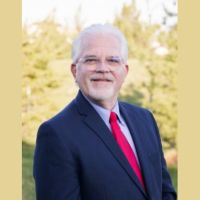
Transformation isn’t merely a goal but a journey guided by leadership, resilience, and a commitment to inclusivity in the dynamic landscape of disability care. Rajan Durarajen, Chief Executive Officer at Sunny Pine Home Care, echoes this ethos with clarity through his words that resonate deeply in the context of Sunny Pine’s mission to empower and enhance the lives of individuals with disabilities across Australia.
With over 25 years of experience spanning multinational corporations and government agencies, Rajan brings a wealth of expertise in organizational transformation, quality assurance, and strategic leadership. His tenure at Sunny Pine Home Care underscores a proactive approach to scaling operations within the National Disability Insurance Scheme (NDIS) and ensures adherence to rigorous standards while fostering a culture of innovation and compassion.
As we look into Rajan Durarajen’s insights, we uncover not only the strategic initiatives driving Sunny Pine’s growth but also the profound impact of inclusive practices in the disability care sector. His leadership story speaks of resilience, adaptability, and the unwavering dedication to championing diversity within organizational frameworks.
TWB: Can you share some key strategies you’ve implemented to transform organizations and deliver optimal results?
RD: Sunny Pine Home Care, a registered provider of the National Disability Insurance Scheme (NDIS), supports individuals with significant, permanent disabilities in West and Northwest Metro Melbourne. Since our inception shortly after the NDIS began, Sunny Pine Home Care has faced the critical challenge of transitioning from a traditional welfare model to the innovative NDIS framework. This shift required navigating frequent updates and changes from the National Disability Insurance Agency (NDIA), a task compounded by the absence of similar global benchmarks.
Upon joining the organization, my role centered on steering this transformation, clarifying our value proposition, leveraging our core competencies, and setting a robust growth strategy. Our approach involved extensive market research and strategic planning focused on supporting our staff and clients through these changes effectively.
We devised a three-phase strategy to ensure sustainable growth and to test our organizational resilience:
- Phase 1: Establish balance and foundational levers within the business.
- Phase 2: Streamline business processes and system integration to enhance scalability.
- Phase 3: Achieve organic growth, expanding services laterally and reaching vertically.
This year, we embarked on Phase 3. A well-structured plan is crucial during significant transformations to keep the entire organization aligned with our goals. Equally important is the ability to adapt our strategy as necessary:
- We regularly revisit each phase to ensure continued relevance and alignment due to the evolving landscape.
- Monitoring all strategy interdependencies allows for adjustments without adverse impacts.
- Celebrating small victories is essential, as these achievements are significant to our dedicated team.
The strategies for organizational transformation vary from one entity to another, but the essence lies in effectively managing change and continuously ensuring alignment with our end goals.
TWB: How do you approach learning and development within your organization to ensure continuous improvement and employee growth?
RD: At Sunny Pine Home Care, we perceive learning and development as an essential mindset, not just a set of activities. From experience, the resistance to change by leadership can act as a “silent killer” within an organization, especially when it hinders our ability to deliver value.
For an organization to survive and grow, learning and development must be prioritized at all levels, especially among senior leadership. It is crucial for those in higher ranks to maintain a sense of vulnerability and humility, continuously striving for personal and professional improvement. We foster a culture that supports continuous learning and growth through several key attributes: a persistent hunger for knowledge, a readiness to challenge the status quo, an open-door policy, responsive leadership, and exemplary behavior by leaders.
I also frame employee growth in terms of “increasing employee employability,” which facilitates both vertical movement (advancement up the organizational hierarchy) and lateral development (expansion of skills and knowledge). As Sunny Pine Home Care expands, we are transitioning from an outsourced Human Resources model to establishing an internal HR function focused on transformational human resource practices. This shift underscores our commitment to fostering an environment where continuous improvement and employee development are integral to our success.
TWB: Could you elaborate on the challenges and opportunities you’ve encountered while expanding Sunny Pine Home Care’s NDIS arm?
RD: The National Disability Insurance Scheme (NDIS) is a pivotal program for individuals with permanent and significant disabilities, but it presents its own set of challenges, particularly in operationalization. Given that the NDIS is a relatively new initiative, the absence of Standard Operating Procedures (SOPs) at its inception left a significant gap in guidance for service providers. This resulted in a steep initial learning curve.
To navigate these challenges, I immersed myself in understanding the NDIS Act and sought insights from NDIS auditors, disability advocacy organizations, and online community forums. The strength of the sector lies in its collaborative spirit; many organizations are not solely focused on their own success but are committed to sharing knowledge and fostering partnerships. This culture of collaboration has proven invaluable.
Facing “the unknown” can be daunting and frustrating, yet it is in these moments that I find my greatest strengths come to play. I derive immense satisfaction from connecting the dots and achieving clarity. Reflecting on my experiences, maintaining a focus on the needs and interests of people with disabilities has been my anchor—ensuring that our actions are always aligned with the right reasons and a clear purpose.
Operationally, we established two critical pipelines: the client pipeline and the staffing pipeline, which span from intake and recruitment to client and staff exit. Addressing the unique challenges within these pipelines was essential for organizational sustainability. We meticulously developed the necessary processes, procedures, and systems to ensure smooth operations and effective service delivery.
TWB: As someone deeply involved in the disability care sector, how do you prioritize quality assurance and compliance within your organization?
RD: In the highly regulated environment of disability care, prioritizing quality assurance and compliance is fundamental, especially when serving vulnerable populations. At Sunny Pine Home Care, understanding and operationalizing the NDIS Practice Standards is crucial—not just meeting but aiming to exceed these standards.
Quality and compliance are ingrained in our organization’s fabric. The senior leadership team plays a pivotal role in this process; we regularly review internal audit results and business analytics data, always looking for opportunities to enhance our practices.
Moreover, as we expand, maintaining the integrity of our services remains a top priority. We meticulously focus on organizational scalability to ensure that our quality standards are consistently upheld across all levels of operation.
TWB: What role do you believe effective leadership plays in maximizing staff adoption of change within the workplace?
RD: Effective leadership is crucial in maximizing staff adoption of change within the workplace—it is, in a word, “everything.” The commitment and cohesion of the leadership team are essential for facilitating a faster and smoother transition. Ultimately, the success or failure of a change initiative rests on the shoulders of this team.
Change management can be divided into two critical areas:
- Change: This involves streamlining processes and systems to align with new ways of working.
- Transition: Often more challenging, this focuses on helping leaders and staff move from the current state to the new one.
Successfully managing both aspects significantly enhances the adoption of change. At our organization, while we ensure that new processes and systems are in place, complemented by thorough communication and training, these alone are insufficient. Our previously mentioned three-phased strategy is deliberately designed to address the crucial aspect of staff transition during change initiatives.
TWB: Could you share some insights into building high-performing teams and fostering a constructive organizational culture?
RD: My journey with organizational transformation and restructuring has underscored that the most critical leverage any organization can have is its “culture”. This realization crystallized in 2010 when I was introduced to Human Synergistics, which provided profound insights into the tangible impact of applied sciences on measuring organizational culture.
It often surprises me that many organizations still underestimate the importance of organizational culture. I firmly believe it is the cornerstone of any thriving business. Culture is fundamentally about behaviors, starting with the leadership team. If the leadership sets the right example, the entire organization tends to follow. Throughout my career, I’ve observed various types of cultures: passive/defensive, aggressive/defensive, and constructive. It’s common for organizations to exhibit a dominant culture with pockets of subcultures.
At Sunny Pine Home Care, we prioritize establishing and sustaining a constructive culture from the outset. This focus on culture is also a critical criterion in our leadership recruitment process. The transformational HR initiatives I previously mentioned are designed to support this continuous effort, ensuring that our organizational culture fosters high performance and aligns with our strategic objectives.
TWB: From your experience, what are some best practices for streamlining processes and redesigning infrastructure to deliver value to clients and stakeholders?
RD: Streamlining processes and redesigning infrastructure are pivotal for enhancing effectiveness, efficiency, and ultimately gaining a competitive edge. From my experience, even within the same industry, each organization’s unique variables—such as maturity, operational landscape, and staff receptiveness to change—necessitate a customized approach. It’s not just about what needs to be done, but how we can effectively implement changes.
To ensure we are delivering value to our clients and stakeholders, we begin with several key actions:
- Feedback Mechanism: Input from those directly involved in processes—our staff and clients—is invaluable. Even when operations seem smooth, this feedback can reveal hidden barriers and potential solutions.
- Benchmarking: By engaging with external networks, we gain insights into how peers tackle similar challenges. This openness often leads to valuable shared learnings.
- Business Analytics: We analyze our business data bi-weekly and review industry reports to stay aligned with or ahead of sector trends.
As we gather and review this information, we continuously assess what needs adjustment or a complete overhaul to better serve our clients and stakeholders. It’s crucial that our streamlining efforts do not solve one problem at the expense of creating others—there must be a net positive outcome.
For significant changes, we employ the PDCA (Plan, Do, Check, Act) methodology. Typically, we pilot changes with a small group of staff to refine our approach before a broader rollout. This structured yet flexible approach ensures that our process improvements and infrastructure redesigns are both effective and sustainable.
TWB: How do you ensure that the NDIS Practice Standards are well embedded into the operational fabric of Sunny Pine Home Care?
RD: Understanding and operationalizing the NDIS Practice Standards is foundational to our work at Sunny Pine Home Care. Initially, it required thorough familiarization with what the standards aimed to achieve. I invested significant time in studying the standards and consulting with other providers and auditors to determine the most effective ways to implement them, focusing primarily on their outcome-oriented nature.
To integrate these standards effectively, we align our processes, systems, and personnel with the required practices. Our client and staffing pipelines serve as frameworks for mapping out our processes and systems and identifying any gaps that need addressing. We also engage NDIS consultants to review our practices against the standards to ensure they are fully integrated.
As a registered NDIS provider, we undergo audits every 18 months to verify our compliance with the NDIS Practice Standards. Our leadership team is proactive in setting goals that reinforce our commitment:
- Organizational NDIS Policies and Procedures: Understanding and adhering to these is crucial, particularly for those in leadership roles, to ensure the effective operation of our NDIS services.
- Always be Audit Ready: We maintain a standard that goes beyond just being prepared for audits. Striving for excellence is our norm, not just meeting the minimum requirements.
- Quality Assurance Framework: Operating in a rapidly changing environment means constantly updating our internal audit mechanisms to identify and address gaps, ensuring continuous improvement.
- Feedback Mechanism: We remain open to feedback, empowering our staff to make decisions and provide insights that drive improvement.
In conclusion, the NDIS Practice Standards are more than just guidelines; they are integral to ensuring we deliver exceptional service to our clients. By embracing these standards, we not only comply with regulatory expectations but also enhance our capabilities as a provider.
TWB: As a public speaker and conference presenter, how do you stay up-to-date with industry practices and contribute to benchmarking within the disability care sector?
RD: Keeping pace with the continuous changes in the NDIS is challenging but essential for ensuring we deliver the highest standard of care at Sunny Pine Home Care. Each week, I dedicate considerable time to reading articles, attending webinars, and meeting with external stakeholders. The wealth of resources and events available—many of which are free—only requires the investment of time, and the openness within the community to share knowledge is truly remarkable.
Despite occasionally feeling overwhelmed by the volume of information, my role as a strategic thinker compels me to synthesize this data effectively and connect the dots. When clarity doesn’t come immediately, I persist until it does.
Benchmarking is a critical practice for us. It opens the door to understanding unknown aspects of our operations and sparks many ‘light-bulb’ moments. One key piece of advice I offer based on our experiences: avoid the temptation to directly transplant strategies from one organization to another without adaptation. The operational context of each organization varies significantly, and what works for one may not work for another.
TWB: Finally, what do you find most fulfilling about your work in disability care, and what aspirations do you have for the future of Sunny Pine Home Care?
RD: Engaging regularly with our staff and clients is the most fulfilling aspect of my work at Sunny Pine Home Care. This interaction not only energizes me but also serves as a powerful affirmation of our efforts to support people with disabilities in achieving their aspirations and goals. Witnessing the achievements and understanding the barriers our clients and staff face motivates our leadership team to persist and innovate, even on challenging days.
Looking ahead, the growth potential for Sunny Pine Home Care is boundless. We are equipped with the right people, robust infrastructure, and a unified commitment to supporting the social and economic independence of people with disabilities. Following the recent NDIS Independent Review, we anticipate significant changes in the NDIS landscape. We are eager to embrace these changes and explore how they can enhance the services we provide to our current and future clients.
⭐⭐⭐⭐⭐
“Culture is fundamentally about behaviors, starting with the leadership team. If the leadership sets the right example, the entire organization tends to follow.”
– Rajan Durarajen
Useful Links
Share Your Insights
Sunny Pine Home Care prioritizes diversity and inclusion in serving individuals with significant disabilities, fostering an inclusive organizational culture. They tackle challenges with resilience, adapting to regulatory changes like the NDIS while maintaining quality care standards.
- How does your organization prioritize diversity and inclusion in service delivery and organizational culture?
- What strategies have you implemented to promote resilience among staff during organizational transitions or regulatory changes?
- Can you share examples of how your organization supports inclusivity in serving diverse populations, particularly those with disabilities?
We invite your insights and experiences on these critical aspects of organizational practice!
July 2024 marked a special milestone at The World’s Best Magazine as we proudly declare it as our Diversity, Resilience, and Inclusion Month. Throughout the month – and moving forward – we officially dedicate a special series of posts in our platform to celebrating the richness of diversity, the strength of resilience, and the power of inclusion.
Join us as we spotlight stories that showcase the myriad facets of diversity, from cultural heritage to individual identities. Through our features, we aim to amplify voices that demonstrate resilience in the face of adversity, inspiring others to persevere and thrive.
Moreover, we pledge to champion inclusion in all aspects of our work, ensuring that every story, perspective, and experience is welcomed and valued. By embracing diversity, resilience, and inclusion, we strive to foster a more equitable and compassionate world.
Let’s come together to honor the beauty of our differences, celebrate the triumphs of the human spirit, and reaffirm our commitment to building a society where everyone is seen, heard, and valued.
Related Posts






Something went wrong. Please refresh the page and/or try again.
Other Highlights

Looking for something?
Type in your keyword(s) below and click the “Search” button.
Helpful Shortcuts
More Stories





















Print and Digital Magazine

Don’t just read about greatness. Own it!

About Us
The World’s Best Magazine is a print and online publication that highlights the extraordinary. It is your passport to a universe where brilliance knows no bounds. Celebrating outstanding achievements in various fields and industries, we curate and showcase the exceptional, groundbreaking, and culturally significant. Our premier laurels, The World’s Best Awards, commend excellence through a unique process involving subject matter experts and a worldwide audience vote. Explore with us the pinnacle of human achievement and its intersection with diversity, innovation, creativity, and sustainability.
We recognise and honour the Traditional Owners of the land upon which our main office is situated. We extend our deepest respects to Elders past, present, and emerging. We celebrate the stories, culture, and traditions of Aboriginal and Torres Strait Islander Elders from all communities who also reside and work on this land.
Disclaimer: The World’s Best does not provide any form of professional advice. All views and opinions expressed in each post are the contributor’s own. Whereas we implement editorial policies and aim for content accuracy, the details shared on our platforms are intended for informational purposes only. We recommend evaluating each third-party link or site independently, as we cannot be held responsible for any results from their use. In all cases and with no exceptions, you are expected to conduct your own research and seek professional assistance as necessary prior to making any financial, medical, personal, business, or life-changing decisions arising from any content published on this site. All brands and trademarks mentioned belong to their respective owners. Your continued use of our site means you agree with all of these and our other site policies, terms, and conditions. For more details, please refer to the links below.
About | Advertise | Awards | Blogs | Contact | Disclaimer | Submissions | Subscribe | Privacy | Publications | Terms | Winners
The World’s Best: A Magazine That’s All About What’s Great | theworldsbestmagazine.com | Copyright ⓒ 2022-2026
Let’s connect
Discover more from The World's Best
Subscribe to get the latest posts sent to your email.

 The World's Best
I don’t have an organization, but I want to highlight that continuous learning is useful for everyone. Not only learning facts (which I love) but also challenging our own beliefs and biases. It’s this latter part that can lead us to a better and more empathetic understanding of disability.
LikeLiked by 1 person