
“DEI is not a one size fits all.”
– Alysha M. Campbell
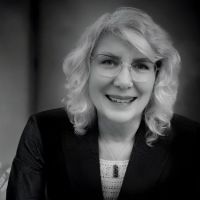
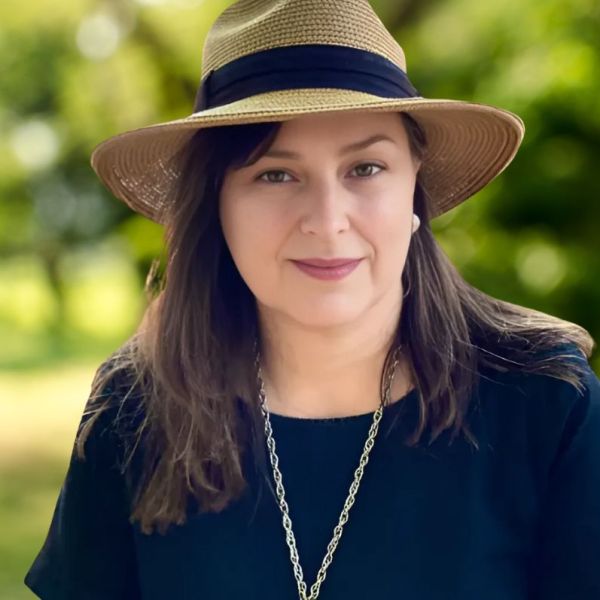
With over a decade of experience in human resource management and diversity, equity, and inclusion (DEI), Founder and Principal of CultureShift HR Alysha M. Campbell emphasizes, “DEI is not a one size fits all.” This statement encapsulates her ethos, advocating for tailored approaches that acknowledge the unique needs and nuances of each organization. Alysha’s strategic drive has propelled her to execute multi-million-dollar workforce diversity projects, spearhead inclusive employee culture initiatives, and showcase her comprehensive understanding of the DEI landscape.
Alysha’s reach transcends geographical boundaries, with her expertise spanning across Canadian, US, and international talent spheres. As a keynote speaker and entrepreneur, she not only imparts her methodologies but also works to empower organizations to align their talent with corporate objectives and foster greater productivity and profitability. Through her advocacy for the “Employee First” philosophy, she champions a paradigm shift in culture dynamics to foster environments of greater engagement and belonging.
Recognized as an IAOTP DEI Leader of the Year, recipient of several other HR and DEI leadership awards, and a best-selling author, Alysha’s accolades underscore her focus on driving tangible change. Her recent endeavors, including the launch of the HR Landscape Assessment tool, speak of her approach to leveraging technology and human empathy in reshaping organizational paradigms.
Read further as Alysha shares her vision, her challenges, and her triumphs, and offers invaluable insights into the ever-evolving nature of DEI leadership.
TWB: Can you share with us your journey into becoming a Strategic Diversity, Equity, and Inclusion Leader, and what inspired you to embark on this path?
AMC: My journey started through my experience in the workplace. I realized how unequal the playing field was in corporate and, being not only a woman but a woman of color.
I realized that no matter how hard I worked or the effort I put in, it was never recognized to the standards of my other colleagues.
And that really bothered me because when you think about the amount of hours and time and, you know, energy we put into our work to not have the recognition or the opportunity to excel like others.
It makes you feel very small, it makes you feel not appreciated.
And I think given the amount of time and energy we put into our jobs and our careers, we should feel that sense of satisfaction and that sense of appreciation and me seeing how workplaces didn’t have the systems and the programs and the processes to fix.
That really drove my curiosity and my desire to create an organization like CultureShift that helped organizations get it right.
My journey to a strategic DEI leader has not been a straight one.
There’s been a lot of ups and downs and trying to understand how to best service clients. What does inclusion look like knowing that it can vary from organization to organization but also knowing that this work needs to get done.
This isn’t something you do because it feels good or because, you know, it’s easy, this work is quite challenging.
But through the challenges, you actually begin to see great opportunities to support others in the workplace, you help leaders become better, you know, leaders for their teams and help them to be more strategic in the way of how they connect and support their team members and you ultimately help organizations be better for their customers.
And that’s incredible when, when we think about the globalization of the world, being able to be more inclusive leaders is really key in the elements of all of that.
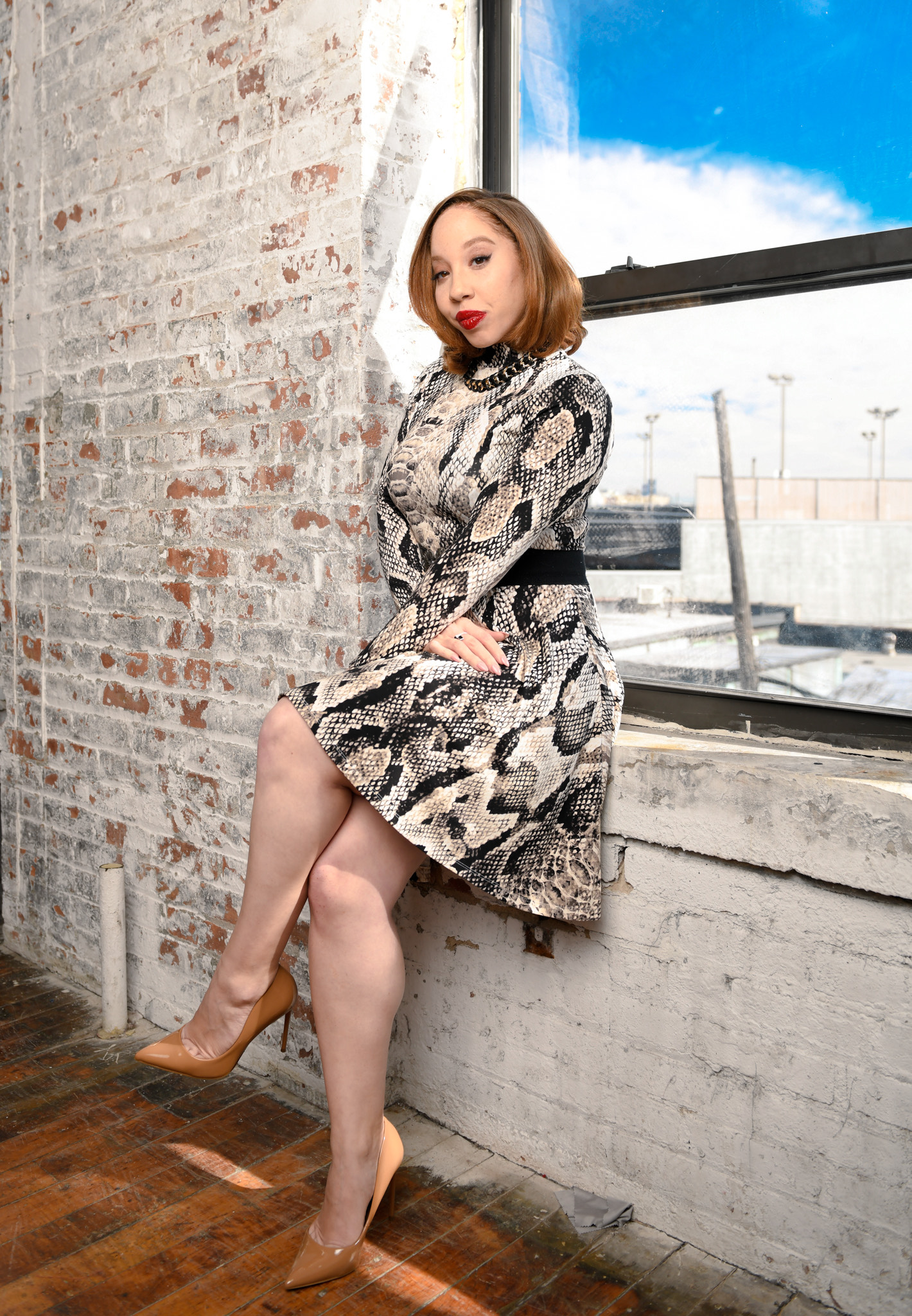
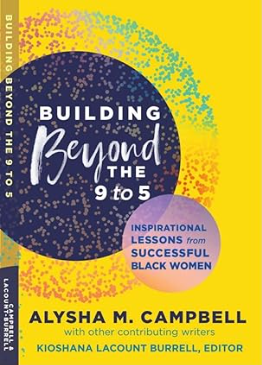
TWB: Your achievements, including being named the IAOTP DEI Leader of the Year and your bestselling book, “Building Beyond the 9-5,” are remarkable. How do these milestones reflect your commitment to fostering inclusive environments?
AMC: Thank you so much, I appreciate the kind words.
These milestones reflect my commitment to fostering inclusive environments because it is just the outcome of the work that is happening behind the scenes. To be awarded as a DEI leader, to be asked to be a collaborator in these books and these anthologies, it shows that my work is being recognized and that it’s making a difference.
It shows that the work we do every day is impactful and meaningful and it’s making a change, which is all I could ask for.
We have to remember that this work is not for the faint of heart.
You’re really advocating and being an ally for those who don’t have a voice, who don’t have the means or the opportunity to utilize their spaces, and the fact that we can do that and be recognized for it is really just truly an honor.
I work as hard as I work, and my team does the same because we believe in making a better workplace.
We believe that the system was not made for women, for people of color, for those that are in equity-deserving groups, and we can change that if we actively put in the work and the effort and the intention. We can change these systems of inequity.
This is the work that I do because I care about it, because it’s the change we need to see, and we want to be a part of it.
TWB: CultureShift HR is a testament to your dedication to creating purposeful, diverse, and inclusive work environments. Could you tell us more about the ethos behind CultureShift HR and its impact on businesses?
AMC: CultureShift HR is a company that meets organizations where they are at but helps them to level up in what DEI can look like.
I believe that’s really important because we have to remember that DEI is not a one-size-fits-all, especially when it comes to an organization, and I’m really mindful of the culture.
We’re creating the culture, we’re influencing the people who are a part of that because change is not easy, especially in the realm of DEI, so we come from the perspective of let us be your partners and help support you in creating more inclusivity.
Which brings me to creating inclusivity. Although it might sound scary, small and powerful changes have the best results.
You know, we have to remember that the way that we work has been ingrained in us for generations and so for us to come and make large changes, those don’t stick.
We have to remember that we’re influencing human beings.
We’re influencing the way we think and perceive information and that takes time so we’re mindful of that process, we’re mindful of the support that’s required, and we’re mindful of how we can do this.
Because of that, we are really careful in how we create partnerships and how we help organizations really become more inclusive and address the hesitations, the worries, the concerns they may have in that process, which are all valid because, again, a change on this size and scale does not happen overnight.
It takes a lot of time, energy, and effort and we want to support organizations to be as successful as possible.
Knowing that and understanding that organizations really feel safe to experiment and to try something, knowing that they’re not going to get it right the first time.
We provide as much of a safe place for them and for that to happen but also know and reiterate how important this work is to their organization, to their networks, to their employees, and to their communities because at the end of the day, we have to remember why we’re doing this work and how it’s going to be beneficial for all of us down the road.
TWB: Your “Employee First” philosophy is a unique approach to cultivating workplace culture. How do you believe this philosophy contributes to higher engagement and better customer service within organizations?
AMC: An Employee First Philosophy is so important, and the reason is because we have to understand that our employees are our biggest asset and not just understand it as a saying, but understand it as an action.
We have to understand that employees are key to our businesses, to our services, our offerings, our products, that they are ambassadors that allow our markets to know and feel what we do and who we are.
I feel that employees don’t always get the opportunity to be valued in other ways other than compensation, and understanding that culture is a key way of how we show up for our employees.
Culture is a key way of how we show how we care, how we foster environments that allow them to be successful.
And so the employee-first philosophy allows employees to be at the center of kind of key decisions and actions within an organization because knowing that our employees are really our boots on the ground when it comes to our business.
If we’re able to center them in our decisions, in the way that we create culture and the way that we make our brand come to life.
By putting our employees first, we’re putting our best foot forward, our business service and products, and realizing that allows you to then make decisions that allow you to create humanness in what you do.
Employees are not just numbers; they are human beings, not human doings.
I think it’s important we recognize that the more that we value and treat our employees with respect, creating safe spaces, creating opportunities for them to learn and be, and be empowered, the more we’re actually going to be better at servicing our business and our bottom line, and there’s a direct correlation between that.
I think that organizations that understand that, that utilize that, that have that as part of their culture really are the ones benefiting from it because when you think about employee first in the center of that is DEI, you’re mindful that your employees have an array of diversity, an array of incredible backgrounds and knowledge.
You’re utilizing that to benefit your business and creating spaces for them to be their best selves; you’re creating spaces where there’s trust, collaboration, and opportunity for growth.
When you give people the opportunity to be their best, they’re giving you the opportunity for your business to utilize the best that they have to offer.
And that’s how this all comes together.
When the moment you realize that your employees are not just, you know, a means to an end but they are a part of the equation, that’s when the magic can begin to happen.
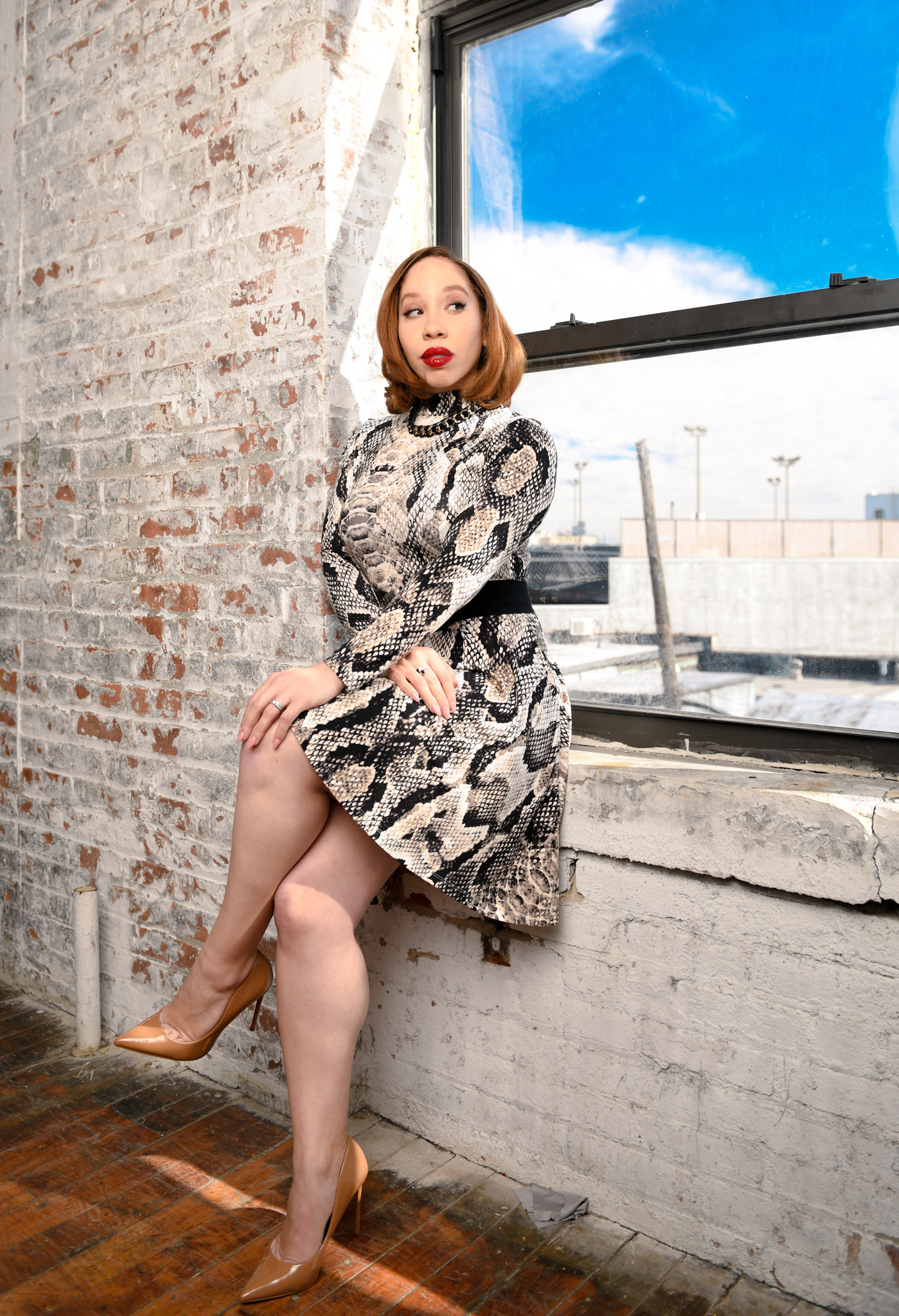
TWB: Intersectionality plays a crucial role in your work. How do you navigate and promote intersectional perspectives on social justice issues in diverse spaces?
AMC: This is such a great question.
The way that we navigate and promote intersectionality in our work, especially around social justice and within diverse spaces, is that we first really understand what the intersectionalities are that we are in the midst of. It’s about understanding the core elements of what the intersectionality of the individuals is and how we bring those issues to the spotlight.
Meaning that if you have a woman of color who is also a part of the LGBTQ community, we have to understand that there are a lot of underlying assumptions and a lot of underlying elements that need to come into play when we’re thinking about social justice.
When we understand that, you know, these identities intersect and have their own histories, their own traumas, their own challenges, and triumphs.
It’s about how we honor and make space for all of that? How do we share the stories of that? How do we help people understand what intersectionality looks like in the different dimensions that it holds?
So, that takes a lot of education, that takes a lot of helping people to see and learn, and that is how we promote social justice.
That’s how we promote and share the outcomes of training people as humans, as humans, and as individuals in the best way possible but understanding that we all carry this beautiful blend of identity and each of these identities needs to be honored and respected in the highest regard.
TWB: As a keynote speaker and entrepreneur, you’ve empowered over 10,000 leaders to success. What are some key strategies you impart to organizations to align their talent with corporate objectives effectively?
AMC: The way that some of the strategies we use to help organizations align their talent is that we really have to understand that talent is multifaceted, first and foremost.
Yes, we may hire someone to do one job, you know, a singular thing, but you have to realize that people have other skills, other abilities and how do we make sure that we’re creating space for those skills and abilities to come out and be creative in the way that they work?
So, one of the strategies that we use to help organizations align talent is we do talent mapping exercises, and this helps us to understand for the key folks in the organization, what is the role that we’ve hired them for, but what are these, you know, secondary skills or parallel skills that they have that could also be beneficial to the organization, and how does that help us further our objectives and our goals as an organization?
So that’s one key strategy, and talent mapping helps us to see the multitalented dimensions of our people, of our staff, what are the structures we need or opportunities we need to give them to help grow their skill sets and how do we do that in a way that allows them to show up and be their best.
Another talent strategy that we utilize is that we encourage organizations, especially those that are larger like 1000 plus employees, to have rotational job programs.
This gives employees the opportunity that want to grow their career, but maybe have different jobs or have different, you know, not being in their same vertical at the organization, but learn what other areas of the business do and bring their thoughts, expertise, their experience to that area.
So maybe they spend a few months in marketing then in operations than maybe in sales, you know, maybe in distribution, whatever that might look like but this gives them a real opportunity to see how could I bring my skill set to this area? How can I be a thought partner to these areas of the business? And if there’s, this is an area that I’m interested in, how do I begin to learn or, you know, transition into this type of work?
I think doing opportunities like that allows people to see their full potential and allows them again to bring their skill sets to the table in a way that they may not have thought of before and that the organization really begins to benefit from entirely.
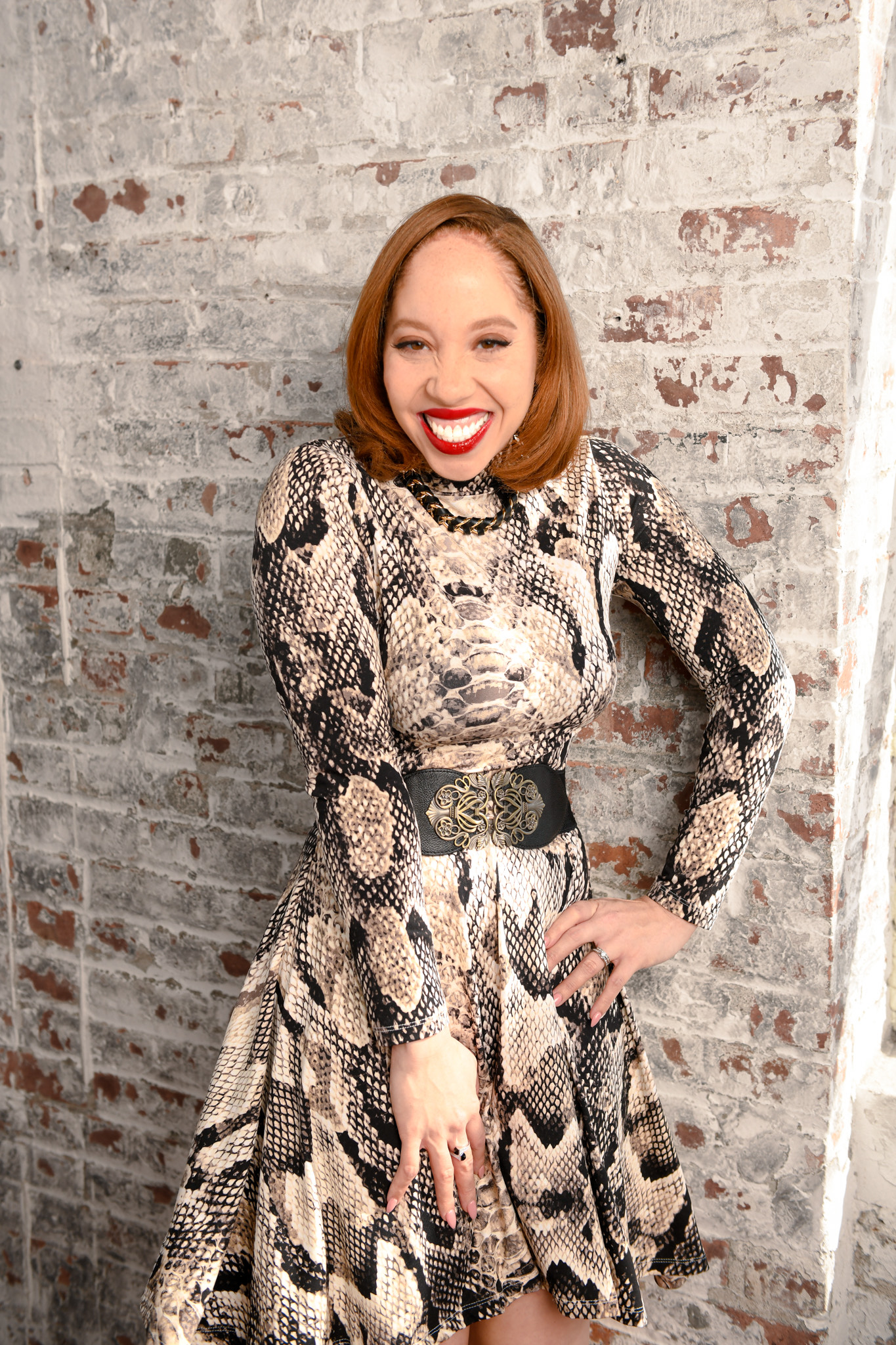
TWB: The HR Landscape Assessment tool you introduced seems like a groundbreaking initiative. Could you elaborate on how it helps organizations evaluate and improve their HR functions?
AMC: The HR Landscape Assessment is really, really a great tool.
For a variety of reasons, when we think about the HR Ecosystem, it’s not straightforward, there are a lot of elements that go into an employee experience, and the HR Landscape Assessment tool really helps us to understand how well our HR Ecosystem is running.
It also pinpoints how well it is operating, where are the gaps, how can we strengthen it, and how could we make it more creative or make it more aligned with our strategic objectives?
That’s exactly what the tool does, it helps us outline what those gaps are, and that allows us to make those gaps smaller by putting in the systems and the tools and the different ways we can begin to really create an HR Ecosystem that meets the needs of our growing workforce.
For example, the HR Landscape Assessment Tool helps us to understand what recruitment tools you’re using.
It helps us to understand compliance, helps us to understand how we are creating DEI structures or programs or policies, and at the end of this assessment, you get a report that allows you to see what are some areas that we’re doing really well in HR and what are areas that we need to maybe put some more resources or people power behind.
As HR professionals, there’s always so much to do, there’s always so much to manage and this tool helps to make it very simple, very easy, it makes it very clear on what to do without having to do the leg work yourself.
I think that’s where a lot of the overwhelmed feeling comes from.
This tool allows you to not only know the gaps but gives you ideas, gives you a starting point and an action list of things you can begin to do to fortify those areas and make them stronger.
The purpose is for the HR Landscape Assessment to be a partner to the HR division, the HR director, VP to really help them understand and see what are the areas they need to focus on the most.
For example, what are some of the low hanging fruit, what are some areas that they’re doing pretty well in that may not need as much resources behind and those resources can be funneled to other areas?
Essentially, the HR Landscape Assessment tool allows the HR function to move to function more smoothly, more effectively, more efficiently and also helps you to scale up what your HR capacity can look like and making sure you have the right people in the right places.
TWB: Your 4 A’s Method aims to make DEI implementation accessible within businesses. How do you see this framework contributing to real change and fostering open conversations in organizations?
AMC: The 4A’s Method is such a great framework as it helps to create change and foster conversations in organizations by first really laying out how accessible assessing your DEI can really be.
The purpose behind the 4A’s Method is for you to really get an understanding of where your Level One is of DEI and you could do that in a way that is easy, straightforward and helps you to really understand what your key actions are and measure the change that you’re creating.
This framework helps to outline to organizations what some short-term goals might be, what some long-term goals might be as well as understanding and guiding them on how to identify what those actions are, which is really, really important because it’s one thing to understand where your DEI culture is.
But it’s a second thing to understand how to improve it, how to grow it and how to expand it so we provide the tools to really help you get a handle on that first and foremost and making it easy, understandable using our templates and our outlines so you don’t have to reinvent the wheel.
We understand that when we focus on DEI initiatives, again, this is a learning curve and we provide that learning that allows you to really understand the steps.
The process really helps you to understand the impact that each of these steps has and also how to talk and create communication channels around DEI, which is so important.
We have to remember that everyone in an organization is in their own DEI learning journey.
And so the 4A’s framework understands that and creates space for the communication of the DEI journey, organizationally wide meaning that we don’t just communicate the what but we communicate the why, the how, the timelines, the people, the opportunity and that all creates a dialogue of the power DEI, the role everybody plays and the opportunities that are created through the exploration of DEI culture through the 4A’s Method.
At CultureShift HR, we’ve seen organizations have incredible success with this methodology because they’ve been able to measure the impact of their actions, they’ve been able to see the difference DEI makes in their culture and they’ve been able to create sustainability and progress that continue to run pretty effortlessly because they have a structure that allows them to run and be a part of the employee engagement and employee learning experience.
No matter how many new employees come on to the company that DEI framework is running like an engine and allows individuals to be a part of it in a great and inclusive way.
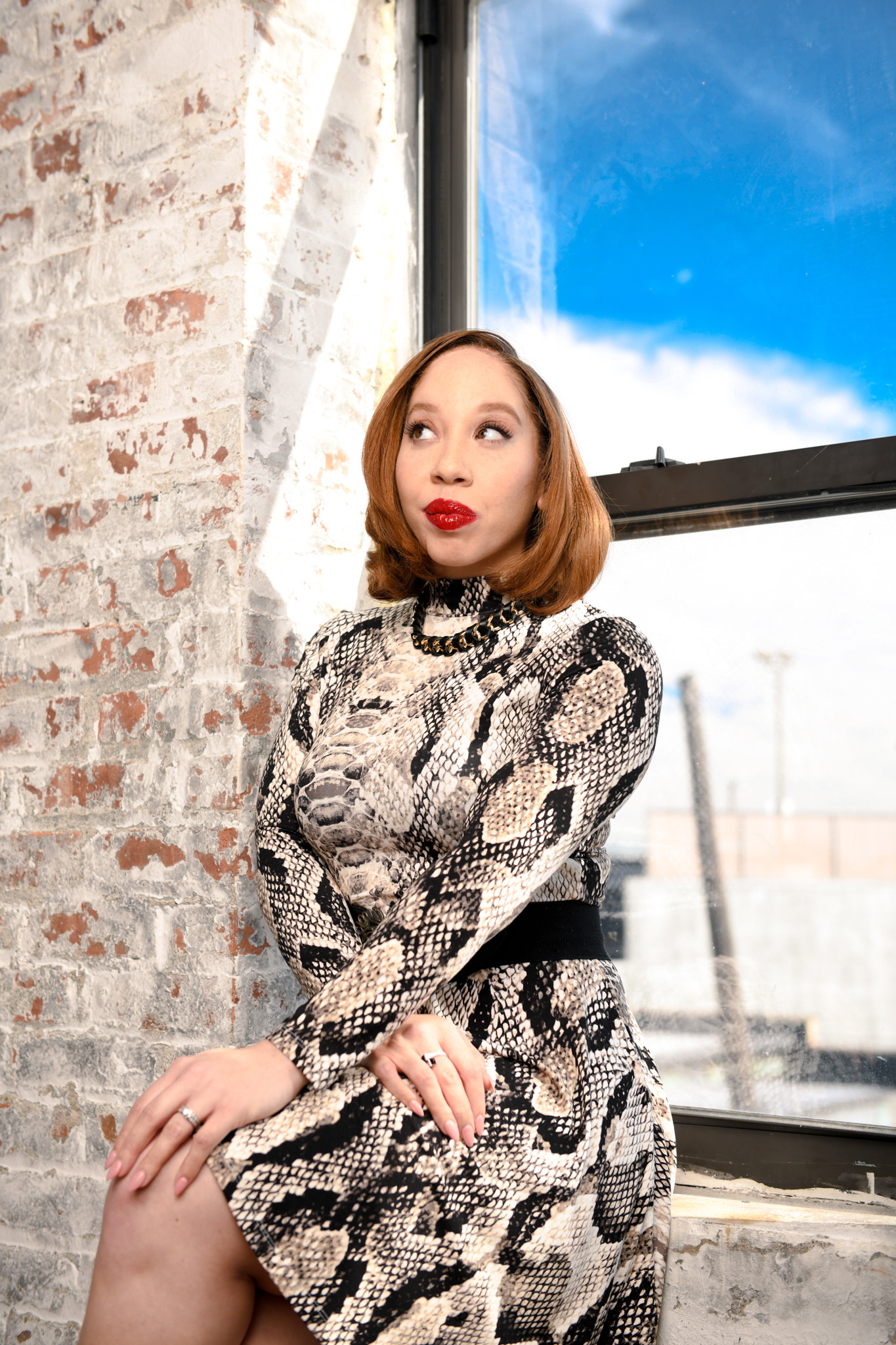
TWB: Being recognized by Harvard Business Review as a disruptor in your industry is a significant achievement. How do you envision continuing to drive change and innovation in the DEI landscape?
AMC: Community is a big part of DEI and creating space for change within the DEI space.
And so we envision driving change and innovation in the DEI landscape by creating community. This is why we’ve recently launched the Unity Professionals Association.
This association or community helps bring DEI Professionals all around the globe to connect, share and collaborate on DEI in every space that we occupy.
Whether that’s in our own practices, whether it’s in the corporations or whether that’s in the community, really being able to share resources and really being able to bring the collective of what we do first and what we do front and center and this is going to allow us to, this association is going to allow us to create change on multiple levels.
It’s going to allow us to be able to be resources to one another to the organizations and communities that we serve and also to allow us to leverage the tools and knowledge of one another in this community.
The Unity Professionals Association allows us to be seen as a mighty force through our numbers, to realize the impact that we have every single day and to allow others to see the value that DEI drives through community.
TWB: Finally, what advice would you give to organizations striving to create diverse, equitable, and inclusive workplaces, especially in light of current societal challenges and opportunities?
AMC: The advice I would give organizations striving to create diverse and equitable spaces is that the work needs to continue. I think that’s what’s most important: stopping DEI initiatives and conversations is not an option.
We need to continue to create more inclusivity in our workplaces, and we really need to remember to understand that the workplace was not meant for everybody.
We have to remember that there was a time when women weren’t even allowed to work.
We have to remember that we still live in a time where women get paid 80 cents to the dollar.
We have to remember that we’re still in a time where we have discrimination in our recruitment processes.
So to stop this work on DEI means to stop progress. To stop this work means to put a halt on moving our institutions and our systems forward to be as inclusive and as dynamic as possible.
By stopping, we’re saying no to change, and change allows us to create space for beautiful opportunities to unfold.
So whether that is re-identifying what DEI looks like for your culture, whether that’s expanding your current DEI landscape of programs and services, whether that’s bringing on different speakers throughout the calendar year to talk about key events, don’t stop the DEI conversation.
This needs to continue as our world is global, and our world continues to expand, and we need to be a part of that expansion.
We don’t want to halt that expansion. ⭐
“This needs to continue as our world is global, and our world continues to expand, and we need to be a part of that expansion.”
– Alysha M. Campbell
Useful Links
- Website
- CultureShift HR
- Get a copy of “Building Beyond the 9 to 5: Inspirational Lessons from Successful Black Women”
Share Your Insights
Join the conversation! Comment below:
- Share a moment when you witnessed the power of trust in enhancing productivity and well-being.
- How do you define authentic resilience in your personal or professional life?
- What strategies have you found effective for fostering inclusion in your workplace?
July 2024 marked a special milestone at The World’s Best Magazine as we proudly declare it as our Diversity, Resilience, and Inclusion Month. Throughout the month – and moving forward – we officially dedicate a special series of posts in our platform to celebrating the richness of diversity, the strength of resilience, and the power of inclusion.
Join us as we spotlight stories that showcase the myriad facets of diversity, from cultural heritage to individual identities. Through our features, we aim to amplify voices that demonstrate resilience in the face of adversity, inspiring others to persevere and thrive.
Moreover, we pledge to champion inclusion in all aspects of our work, ensuring that every story, perspective, and experience is welcomed and valued. By embracing diversity, resilience, and inclusion, we strive to foster a more equitable and compassionate world.
Let’s come together to honor the beauty of our differences, celebrate the triumphs of the human spirit, and reaffirm our commitment to building a society where everyone is seen, heard, and valued.
Related Posts



Something went wrong. Please refresh the page and/or try again.
Other Highlights

Looking for something?
Type in your keyword(s) below and click the “Search” button.
Helpful Shortcuts
More Stories









Print and Digital Magazine

Don’t just read about greatness. Own it!

About Us
The World’s Best Magazine is a print and online publication that highlights the extraordinary. It is your passport to a universe where brilliance knows no bounds. Celebrating outstanding achievements in various fields and industries, we curate and showcase the exceptional, groundbreaking, and culturally significant. Our premier laurels, The World’s Best Awards, commend excellence through a unique process involving subject matter experts and a worldwide audience vote. Explore with us the pinnacle of human achievement and its intersection with diversity, innovation, creativity, and sustainability.
We recognise and honour the Traditional Owners of the land upon which our main office is situated. We extend our deepest respects to Elders past, present, and emerging. We celebrate the stories, culture, and traditions of Aboriginal and Torres Strait Islander Elders from all communities who also reside and work on this land.
Disclaimer: The World’s Best does not provide any form of professional advice. All views and opinions expressed in each post are the contributor’s own. Whereas we implement editorial policies and aim for content accuracy, the details shared on our platforms are intended for informational purposes only. We recommend evaluating each third-party link or site independently, as we cannot be held responsible for any results from their use. In all cases and with no exceptions, you are expected to conduct your own research and seek professional assistance as necessary prior to making any financial, medical, personal, business, or life-changing decisions arising from any content published on this site. All brands and trademarks mentioned belong to their respective owners. Your continued use of our site means you agree with all of these and our other site policies, terms, and conditions. For more details, please refer to the links below.
About | Advertise | Awards | Blogs | Contact | Disclaimer | Submissions | Subscribe | Privacy | Publications | Terms | Winners
The World’s Best: A Magazine That’s All About What’s Great | theworldsbestmagazine.com | Copyright ⓒ 2022-2026
Let’s connect
Discover more from The World's Best
Subscribe to get the latest posts sent to your email.

 The World's Best
I would be honored if you could follow me and read my posts. Your valuable suggestions are my greatest assets, and they uplift my spirits to continue creating more creative writing. Thank you for your support and guidance.
LikeLike
What a powerful conclusion. Some of us still sometimes forget that there’s way too much to do for a truly diverse world. We need tools like the one Alysha devised. We need all the help we can get. Articles like this one give me hope when I think we’re all living in some capitalist dystopia.
LikeLiked by 2 people
Amazing article! I love how you involve the use of multiple AI and non-AI tools and Business Simulation Games for learning purposes. Many companies provide such tools that help us achieve our goals faster and gives us hope.
LikeLiked by 1 person