
“By adopting an agile approach to digital transformation, we can adapt to changing market dynamics and capitalize on opportunities presented by the mobility society ecosystem.”
– Paul Warburton
Paul Warburton drives through the mobility sector landscape with unparalleled insight and foresight. As the Chief Digital and Marketing Officer at NSC Global and a Global Commissioner on The Coalition for Reimagined Mobility, Paul embodies leadership that steers organizations towards a future where mobility transcends mere transportation and evolves into a holistic ecosystem of services. Embracing an agile approach to digital transformation, Paul contends that adaptation to changing market dynamics is paramount for capitalizing on the opportunities presented by the mobility society industry.
Paul’s extensive experience spans diverse geographies, cultures, and industries, providing him with a unique vantage point on the emerging needs of technology worldwide. From his role as the EMEA MD and Global Managing Partner of Mobility Digital Convergence at Envorso to his tenure at Fujitsu, Paul’s journey epitomizes a relentless pursuit of innovation and a steadfast commitment to shaping the mobility landscape of tomorrow.
At the heart of Paul’s vision lies the concept of Mobility as a Service (MaaS), heralding a paradigm shift that transcends traditional boundaries between vehicle manufacturers, technology partners, retailers, and governments. As industries converge around the MaaS consumption model, he compels organizations to reimagine their customer experience and technology strategies to meet the demands of this new mobility ecosystem.
Paul’s role as a Global Commissioner on The Coalition for Reimagined Mobility underscores his dedication to fostering collaboration and coalition-building across sectors. By bringing together industry leaders, policymakers, and innovators, Paul aims to drive industry-wide transformation and advance the agenda of the Mobility Society on a global scale.
In steering through the complexities of the mobility landscape, Paul emphasizes the need for organizations to embrace disruption and transform their corporate identity within mobility. This entails a rapid cultural shift and a renewed focus on trust and value creation from data. By understanding the new customer experience and delivering value at every interaction with integrity, he proposes that organizations can position themselves as trusted partners in the mobility ecosystem of the future.
In this exclusive interview, Paul Warburton shares his insights towards a service-led future that transcends boundaries and unlocks new opportunities for growth and success.
TWB: Can you share your journey and evolution as a thought leader in the mobility sector, from your role as a Global Commissioner for The Coalition for Reimagined Mobility to your leadership at Fujitsu?
PW: My journey in the mobility sector began during my tenure at Fujitsu, particularly when I shifted focus to the automotive industry around the time of the economic downturn of 2007–2008.
I quickly realized that to establish myself, and assert Fujitsu’s value, required us to be smarter than average. I understood that to be relevant, you had to have more than a good solution to your clients’ needs; you needed to help them visualize their future. I started to look at where automotive was heading and how the consumer’s relationship with the car could change.
At the same time, “infotainment,” which for the auto industry includes the vehicle entertainment system as well as the satellite navigation system, was becoming increasingly important to auto sales – with the number of lines of computer code in a car surpassing a passenger plane.
I also looked at my own consumer needs as well as those of my wife and wondered, if we decide to have a different kind of car, do I want a different user experience as well? I created what I called the “virtual car” concept and started to think about mobility as a personal set of services rather than a physical asset.
I also looked at how much waste was involved in car ownership and how this could be reduced cost effectively, while also providing a better user experience. Over time, my thinking evolved and started to align with new ideas around Mobility as a Service (MaaS), which was becoming the industry’s new direction. Unlike others, I did not stop with the automotive sector and branched my thinking across the multiple sectors I had engaged with during my career.
As my thinking matured, I joined SAFE’s Coalition for Reimagined Mobility (ReMo) as Global Commissioner in 2021. The role enables me to work with prominent global figures, to spearhead initiatives, craft policies and implement real-world solutions that harness the potential of transportation technology and shape the discourse around the future of mobility.
PW: The concept of Mobility as a Service (MaaS) is gaining traction globally. How do you envision this paradigm shift reshaping industries beyond traditional transportation?
PW: MaaS is not new. In fact, the concept of MaaS started gaining traction in the mid-2010s, with discussions and initiatives emerging in various parts of the world. However, it wasn’t really until around 2015 that MaaS began to be widely discussed and recognized as a potential solution to urban transportation challenges.
MaaS promises much more than mere convenience. It’s poised to revolutionize sectors ranging from urban planning to healthcare and retail. For example, urban planners can harness MaaS data to optimize city layouts and infrastructure, while healthcare providers can streamline patient transportation using mobility insights. Retailers can integrate MaaS seamlessly into customer experiences, enhancing shopping journeys.

For this to be successful, I believe that industries across all sectors will need to restructure. My hypothesis is represented in the above three-layer model which delineates the new roles that both established players and new entrants would assume.
The model illustrates the restructuring of the traditional automotive sector, but is applicable across all industries. At the apex of this model lies MaaS: providers focused on delivering pure services, catering to future personal transportation needs. This group will extend beyond transportation, linking personal mobility to broader services like retail, content provision, and financial services – likely dominated by broader service providers such as Amazon.
Initially, automotive original equipment manufacturers (OEMs) viewed this as their target, but we have already seen OEMs largely retract from their explorations in this space and concentrate on the middle layer, Vehicle as a Service (VaaS). Cars would no longer be sold to the consumer in the traditional sense – but more likely would be recovered as a service charge based on usage.
This results in car manufacturers being unable to sell or lease vehicles as they have in the traditional model. Instead, they recover the vehicle value as a service asset. In this model, the auto manufacturer needs to pass their capital costs down to the component manufacturer as much as possible. This creates the bottom layer of Component as a Service (CaaS). Component providers face a choice: continue traditional sales, hampering working capital, or reinvent components as services, unlocking new value.
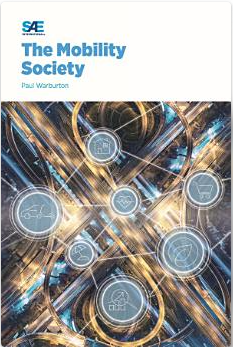
TWB: Your book, “The Mobility Society,” tackles the transformation of mobility from physical assets to personalized services. What inspired you to explore this topic, and what key insights do you hope readers will gain from it?
PW: The inspiration behind exploring the transformation of mobility into personalized services stemmed from observing consumer behaviours and the evolving automotive landscape. I aimed to challenge conventional perceptions of mobility and highlight the shift towards a more service-oriented approach.
I hope that my book: “The Mobility Society,” provides readers with insights into the future of mobility and empower them to embrace and prepare for this transformative shift and identify opportunities for innovation across all sectors.
TWB: As the Chief Digital and Marketing Officer at NSC Global, how do you approach digital transformation strategies to stay ahead in the rapidly evolving mobility landscape?
PW: As the Chief Digital and Marketing Officer at NSC Global, I recognize the importance of staying ahead in the rapidly evolving mobility landscape. The speed of transformation in the technology landscape poses a significant challenge. With S curves of change occurring in five years or less, businesses must remain nimble and ready to pivot to adapt to evolving trends and innovations. By adopting an agile approach to digital transformation, we can adapt to changing market dynamics and capitalize on opportunities presented by the mobility society ecosystem.
Crafting a technology roadmap segmented into Now, Near, and Far horizons enables your company to simultaneously address immediate needs, anticipate near-future developments, and prepare for long-term evolution.
This structured approach fosters flexibility and adaptation, ensuring resilience and competitiveness in the face of an ever-changing technological landscape. By focusing on the present, anticipating the near future, and planning for the long term, your company can effectively navigate uncertainties and seize opportunities, ultimately driving sustainable growth and success. By leveraging emerging technologies such as IoT, AI, and data analytics to enhance customer experiences and drive business growth.
TWB: In your experience, what are some common challenges organizations face when preparing for the mobility society ecosystem, and how do you recommend overcoming them?
PW: In the dynamic landscape of the future, businesses are compelled to adapt, collaborate, and elevate customer experiences. This proactive approach is essential for not just surviving, but thriving amid rapid changes and intense competition.
Common hurdles that organizations face when gearing up for the mobility society ecosystem, include outdated infrastructure, regulatory barriers, and internal resistance to change. To overcome these obstacles, businesses must prioritize innovation, allocate resources towards scalable, future-proof technologies and collaborate with industry peers and stakeholders to drive holistic transformation across the ecosystem.
Finally, instilling a culture of continuous learning and adaptability will empower organizations to effectively navigate the complexities of the evolving mobility landscape.
TWB: Collaboration and coalition-building are essential in driving industry-wide transformation. Can you discuss your role in fostering partnerships and alliances to advance the Mobility Society agenda?
PW: Through my role as the Global Commissioner for The Coalition for Reimagined Mobility, I have actively fostered partnerships and alliances with key stakeholders across various sectors. By bringing together industry leaders, policymakers, and innovators, we aim to collectively address challenges and seize opportunities in the mobility landscape. Through strategic alliances, we can leverage collective expertise and resources to accelerate the adoption of MaaS and drive positive change on a global scale.
TWB: What emerging technologies do you believe will have the most significant impact on shaping the future of mobility, and how should organizations prepare to leverage them effectively?
PW: In shaping the future of mobility, emerging technologies such as Internet of Things (IoT), artificial intelligence (AI), and 5G connectivity will have a profound impact. Organizations should prepare to leverage these technologies effectively by investing in research and development, fostering partnerships with technology providers, and prioritizing digital innovation.
TWB: With your vast experience working across different cultures and geographies, what are some key considerations for organizations looking to implement global mobility strategies?
PW: Implementing global mobility strategies requires careful consideration of cultural differences, regulatory frameworks, and market dynamics across different geographies. Organizations must tailor their approaches to accommodate diverse needs and preferences while ensuring compliance with local laws and regulations. Key considerations include cultural sensitivity, language barriers, and business etiquette when engaging with stakeholders in different regions.
“By building strong relationships and trust with local partners and communities, embracing diversity and fostering an inclusive organizational culture – organizations can effectively navigate the complexities of operating in diverse cultural and geographical contexts.”
– Paul Warburton
By building strong relationships and trust with local partners and communities, embracing diversity and fostering an inclusive organizational culture – organizations can effectively navigate the complexities of operating in diverse cultural and geographical contexts.
TWB: How do you see the role of data and analytics evolving in the mobility sector, particularly in enhancing customer experiences and operational efficiencies?
PW: The role of data and analytics in the mobility sector is poised to evolve significantly, driving improvements in customer experiences and operational efficiencies. Data analytics enables organizations to gain actionable insights from vast amounts of mobility data, including traffic patterns, customer preferences, and vehicle performance metrics.
By harnessing the power of data, organizations can personalize services, optimize routes, and forecast demand more accurately. Advanced analytics techniques such as machine learning and predictive modelling can further enhance decision-making processes and enable proactive maintenance strategies. Ultimately, data-driven approaches will enable organizations to deliver seamless and personalized mobility experiences while improving operational performance and cost-effectiveness.
TWB: Looking ahead, what are your predictions for the future of enterprise mobility, and what steps can businesses take today to stay ahead of the curve?
PW: The journey of change is and will continue to be rapid and S curves of change are becoming shorter in duration. Before the race begins get your organisation on the start blocks, be ready and adaptable to run the race and have a clear vision of direction to your finish line. There will be a continued shift towards digitalization, connectivity and personalization. Businesses will increasingly rely on mobile and connected technologies to empower employees, streamline operations, and engage customers in innovative ways.
To stay ahead of the curve, businesses must prioritize investments in digital infrastructure, cybersecurity, and talent development. By fostering a culture of innovation and continuous learning, businesses can position themselves for long-term success in the dynamic landscape of enterprise mobility. Yet, as we embrace this digital age, it’s crucial not to lose sight of the end-user—the customer—who should remain at the heart of meaningful technological advancements. ⭐
“The journey of change is and will continue to be rapid and S curves of change are becoming shorter in duration.”
– Paul Warburton
Learn more about Paul Warburton on LinkedIn.
Get a copy of “The Mobility Society” by Paul Warburton.
We’d love to know what you think.
How do you envision Mobility as a Service transforming industries beyond traditional transportation?
What emerging technologies do you believe will have the most significant impact on shaping the future of mobility?
How can organizations best prepare to embrace the rapid changes in the mobility landscape?
Drop your comments below and let’s explore the future of mobility together! 🚗💡 #MobilitySociety #FutureOfMobility
Other Highlights

Looking for something?
Type in your keyword(s) below and click the “Search” button.
Helpful Shortcuts
More Stories























Print and Digital Magazine
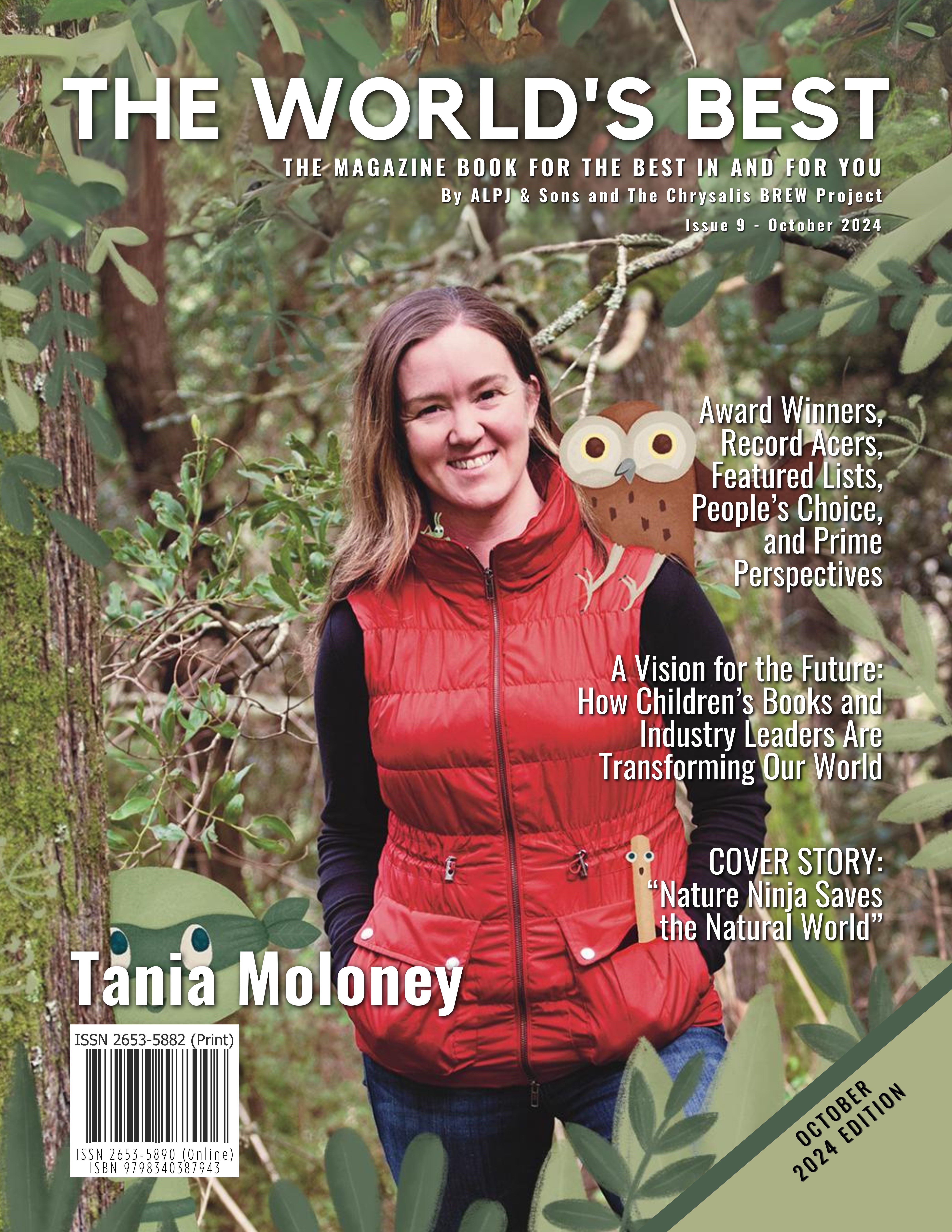
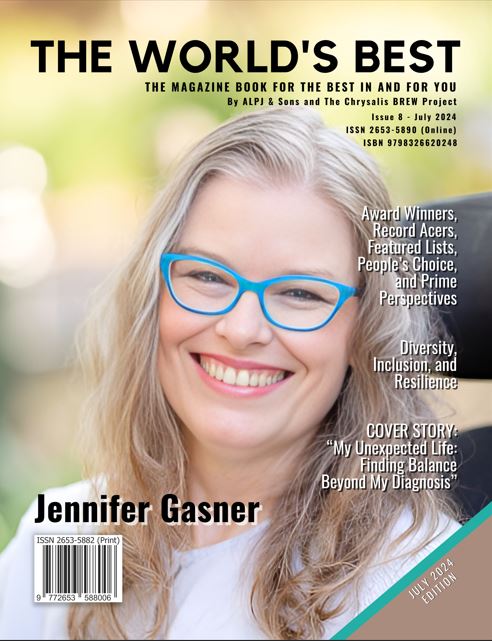

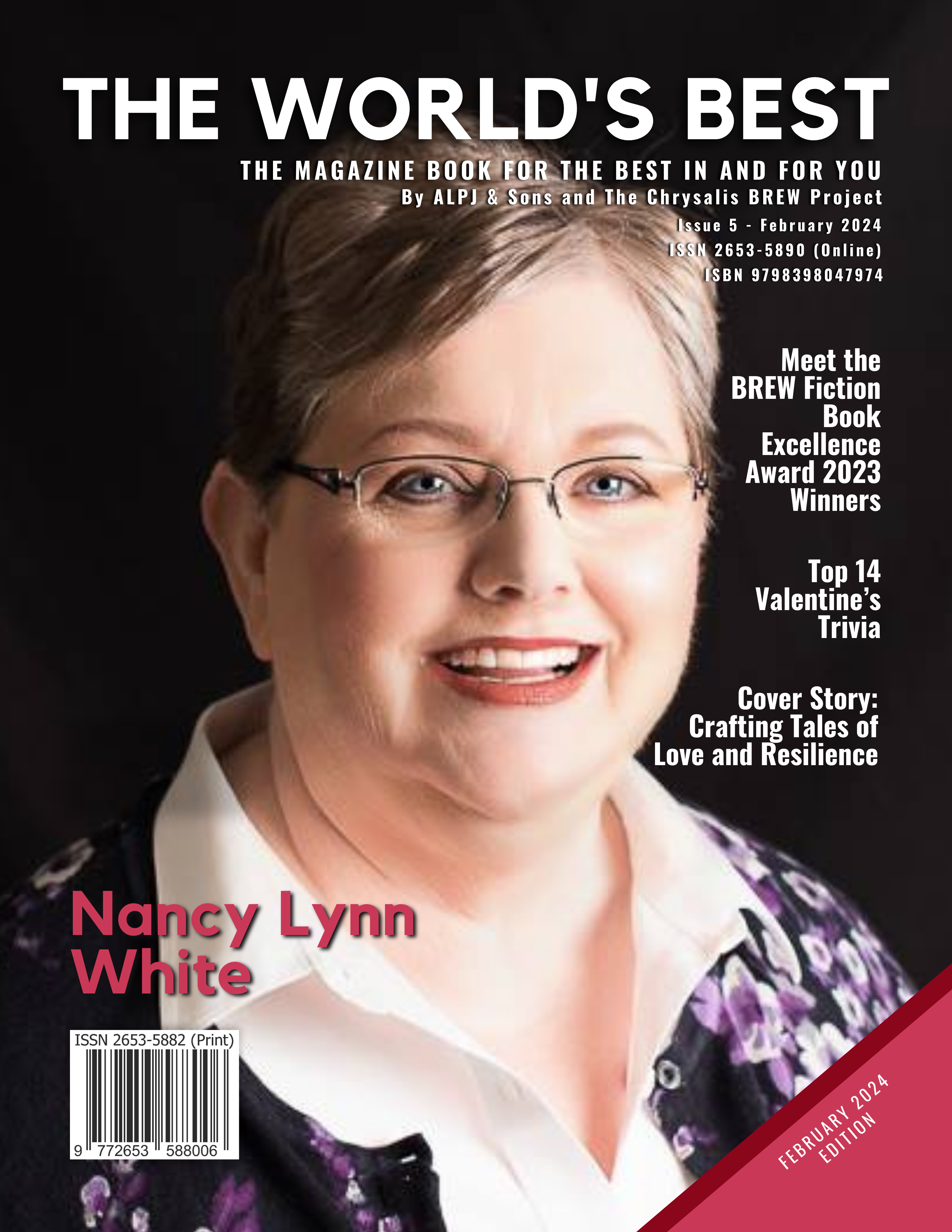

Don’t just read about greatness. Own it!

About Us
The World’s Best Magazine is a print and online publication that highlights the extraordinary. It is your passport to a universe where brilliance knows no bounds. Celebrating outstanding achievements in various fields and industries, we curate and showcase the exceptional, groundbreaking, and culturally significant. Our premier laurels, The World’s Best Awards, commend excellence through a unique process involving subject matter experts and a worldwide audience vote. Explore with us the pinnacle of human achievement and its intersection with diversity, innovation, creativity, and sustainability.
We recognise and honour the Traditional Owners of the land upon which our main office is situated. We extend our deepest respects to Elders past, present, and emerging. We celebrate the stories, culture, and traditions of Aboriginal and Torres Strait Islander Elders from all communities who also reside and work on this land.
Disclaimer: The World’s Best does not provide any form of professional advice. All views and opinions expressed in each post are the contributor’s own. Whereas we implement editorial policies and aim for content accuracy, the details shared on our platforms are intended for informational purposes only. We recommend evaluating each third-party link or site independently, as we cannot be held responsible for any results from their use. In all cases and with no exceptions, you are expected to conduct your own research and seek professional assistance as necessary prior to making any financial, medical, personal, business, or life-changing decisions arising from any content published on this site. All brands and trademarks mentioned belong to their respective owners. Your continued use of our site means you agree with all of these and our other site policies, terms, and conditions. For more details, please refer to the links below.
About | Advertise | Awards | Blogs | Contact | Disclaimer | Submissions | Subscribe | Privacy | Publications | Terms | Winners
The World’s Best: A Magazine That’s All About What’s Great | theworldsbestmagazine.com | Copyright ⓒ 2022-2026
Let’s connect
Discover more from The World's Best
Subscribe to get the latest posts sent to your email.

 The World's Best
2 thoughts on “Charting the Course: Paul Warburton’s Vision for the Mobility Society”