
There are certain places that stand out for their breathtaking panoramic views. From towering mountain peaks to sweeping cityscapes, these vistas offer a glimpse into the beauty and grandeur of the world around us. In this article, we will explore some of the world’s best panoramic vistas, showcasing the diverse landscapes and iconic landmarks that make them truly spectacular.
1. The Grand Canyon (Arizona, USA)
One of the most iconic natural wonders of the world, the Grand Canyon is a testament to the power of nature’s forces. Carved over millions of years by the Colorado River, this vast canyon stretches for over 277 miles and plunges to depths of over a mile. Visitors to the Grand Canyon can marvel at its colorful rock formations, towering cliffs, and breathtaking vistas from vantage points such as the South Rim, North Rim, and Grand Canyon Skywalk. Whether gazing out over the vast expanse of the canyon at sunrise or sunset, the views from the Grand Canyon are truly awe-inspiring.

2. Mount Everest Base Camp (Nepal/Tibet)
Standing at a staggering height of 29,032 feet above sea level, Mount Everest is the tallest mountain on Earth. While reaching the summit of Everest is a feat reserved for the most experienced climbers, trekking to Everest Base Camp offers an opportunity to experience its majestic beauty up close. Located at an altitude of over 17,000 feet, Everest Base Camp provides panoramic views of the surrounding Himalayan peaks, including Lhotse, Nuptse, and Ama Dablam. With its pristine glaciers, towering icefalls, and dramatic landscapes, the views from Everest Base Camp are truly unforgettable.
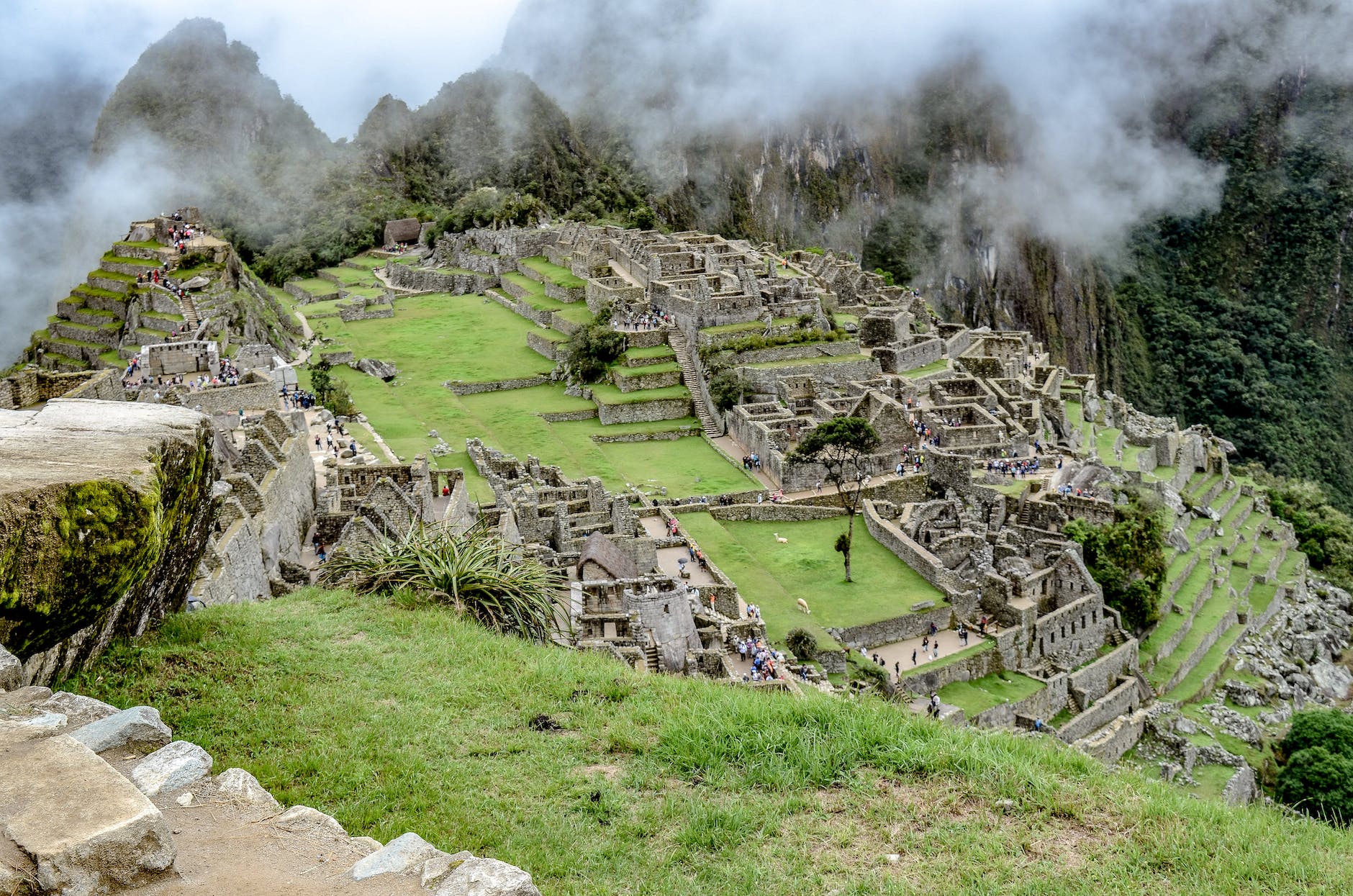
3. Machu Picchu (Peru)
Nestled amidst the mist-shrouded peaks of the Andes Mountains, Machu Picchu is an ancient Inca citadel that has enthralled travelers for centuries. Built in the 15th century and abandoned during the Spanish conquest, Machu Picchu remained hidden from the outside world until its rediscovery in 1911 by American explorer Hiram Bingham. Today, visitors to Machu Picchu can hike along the Inca Trail or take a scenic train ride to the ancient citadel, where they can marvel at its terraced fields, intricate stone buildings, and panoramic views of the surrounding mountains and valleys. Whether shrouded in mist or bathed in sunlight, the views from Machu Picchu are nothing short of magical.

4. The Great Wall of China (China)
Stretching for over 13,000 miles across northern China, the Great Wall of China is one of the most impressive architectural feats in history. Built over centuries to protect China from invasions by nomadic tribes, the Great Wall winds its way through rugged mountains, vast deserts, and lush forests, offering panoramic views of the surrounding landscape. Visitors to the Great Wall can hike along its ancient battlements, climb watchtowers for sweeping vistas, and marvel at its sheer size and scale. Whether tracing its winding path through the mountains or gazing out over the vast expanse of the Chinese countryside, the views from the Great Wall are truly awe-inspiring.
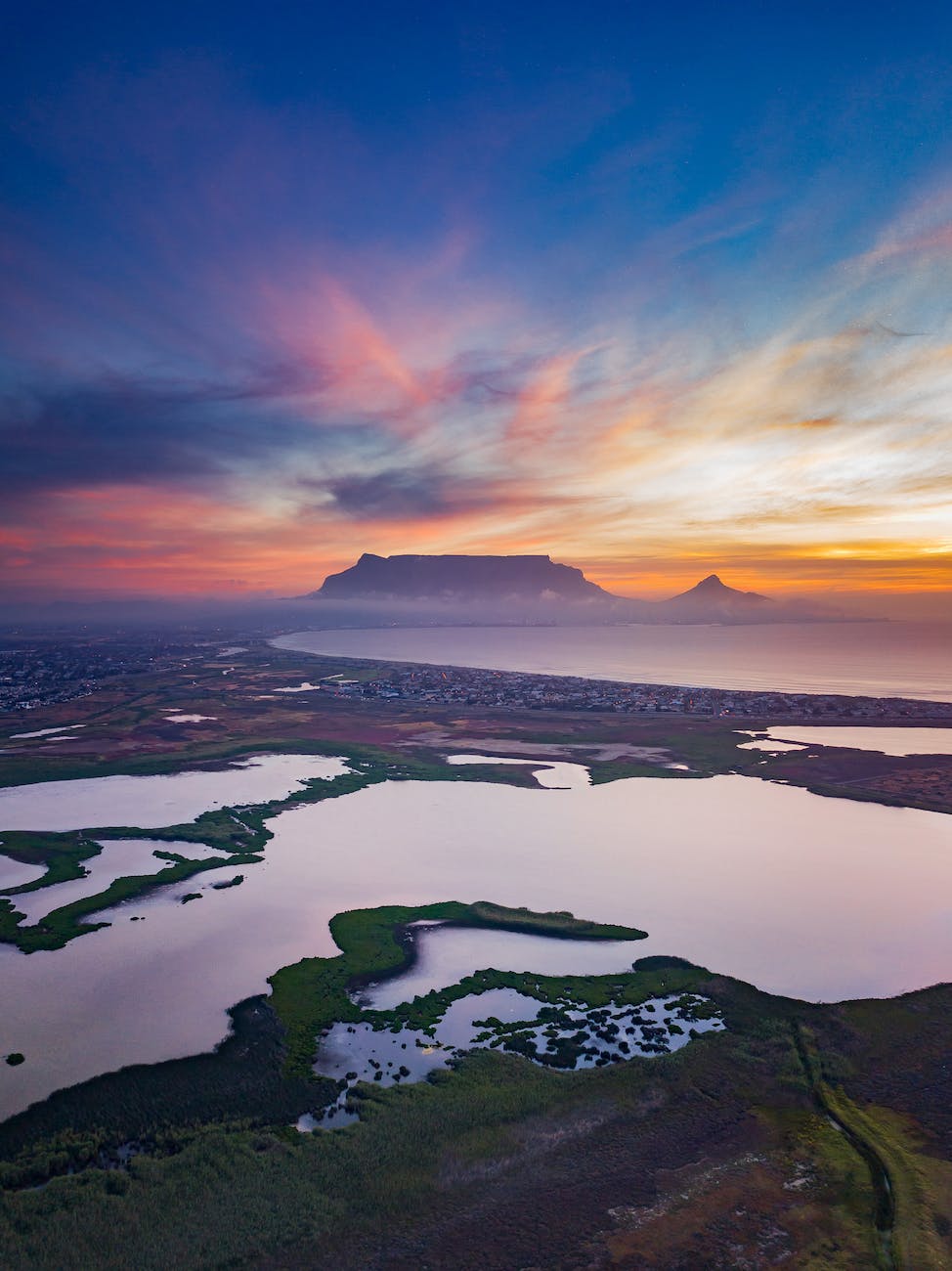
5. Table Mountain (Cape Town, South Africa)
Dominating the skyline of Cape Town, South Africa, Table Mountain is a towering natural landmark that offers panoramic views of the city, coastline, and surrounding countryside. Named for its flat-topped summit, Table Mountain rises over 3,500 feet above sea level and is a popular destination for hikers, nature lovers, and photographers. Visitors to Table Mountain can take a cable car ride to the summit or hike along one of its many scenic trails, where they can enjoy breathtaking vistas of the Atlantic Ocean, Cape Peninsula, and iconic landmarks such as Lion’s Head and Signal Hill. Whether blanketed in mist or bathed in sunlight, the views from Table Mountain are nothing short of spectacular.
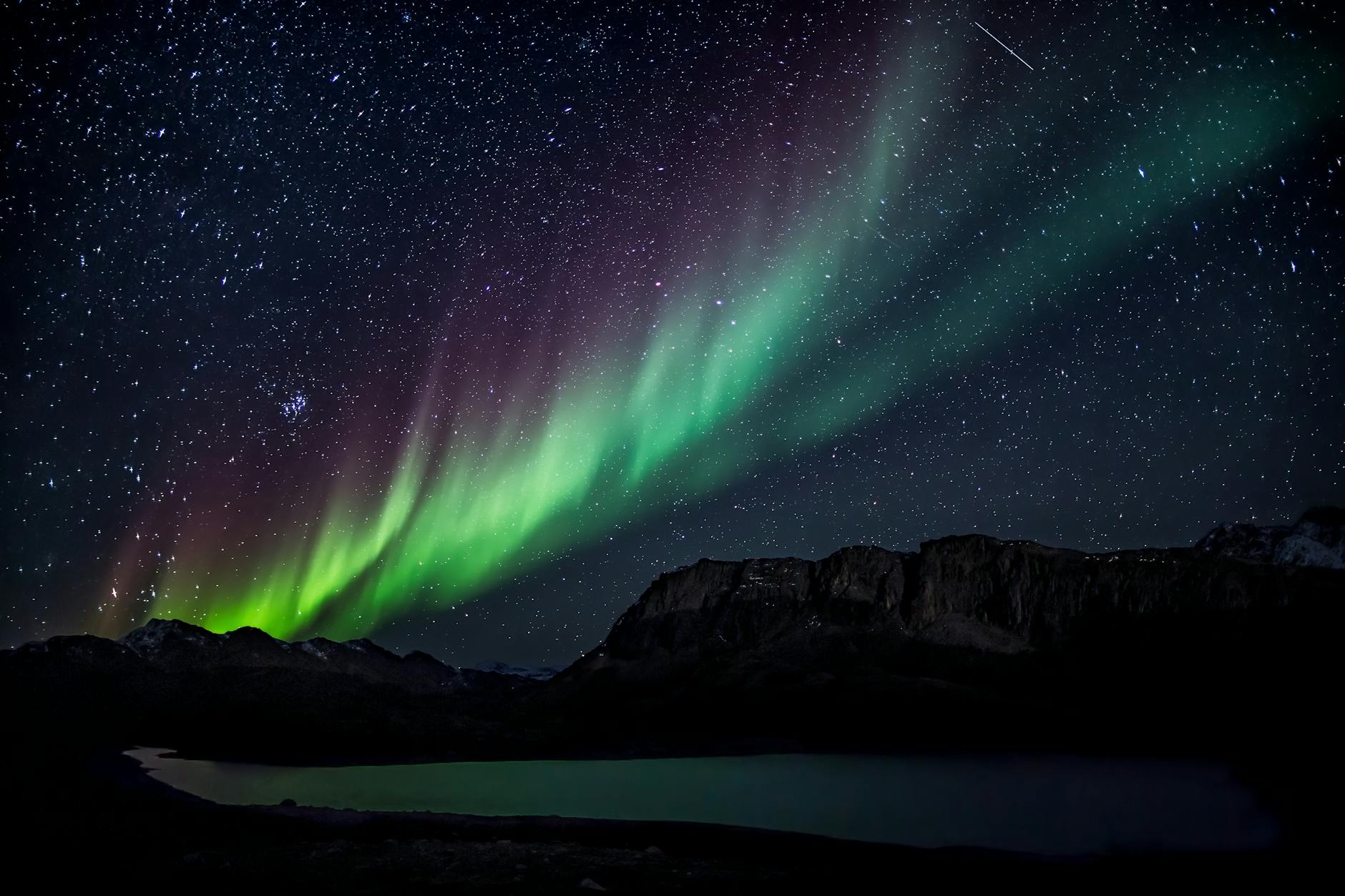
6. The Northern Lights (Various Locations)
Also known as the Aurora Borealis, the Northern Lights are a natural phenomenon that occurs in polar regions around the world. Caused by the interaction of charged particles from the sun with the Earth’s magnetic field, the Northern Lights produce colorful displays of light that dance across the night sky in mesmerizing patterns. While the Northern Lights can be seen in various locations, including Alaska, Canada, Iceland, Norway, and Finland, some of the best panoramic views can be found in remote wilderness areas far from city lights. Whether camping under the stars or staying in a cozy lodge, witnessing the Northern Lights is an experience that is truly out of this world.
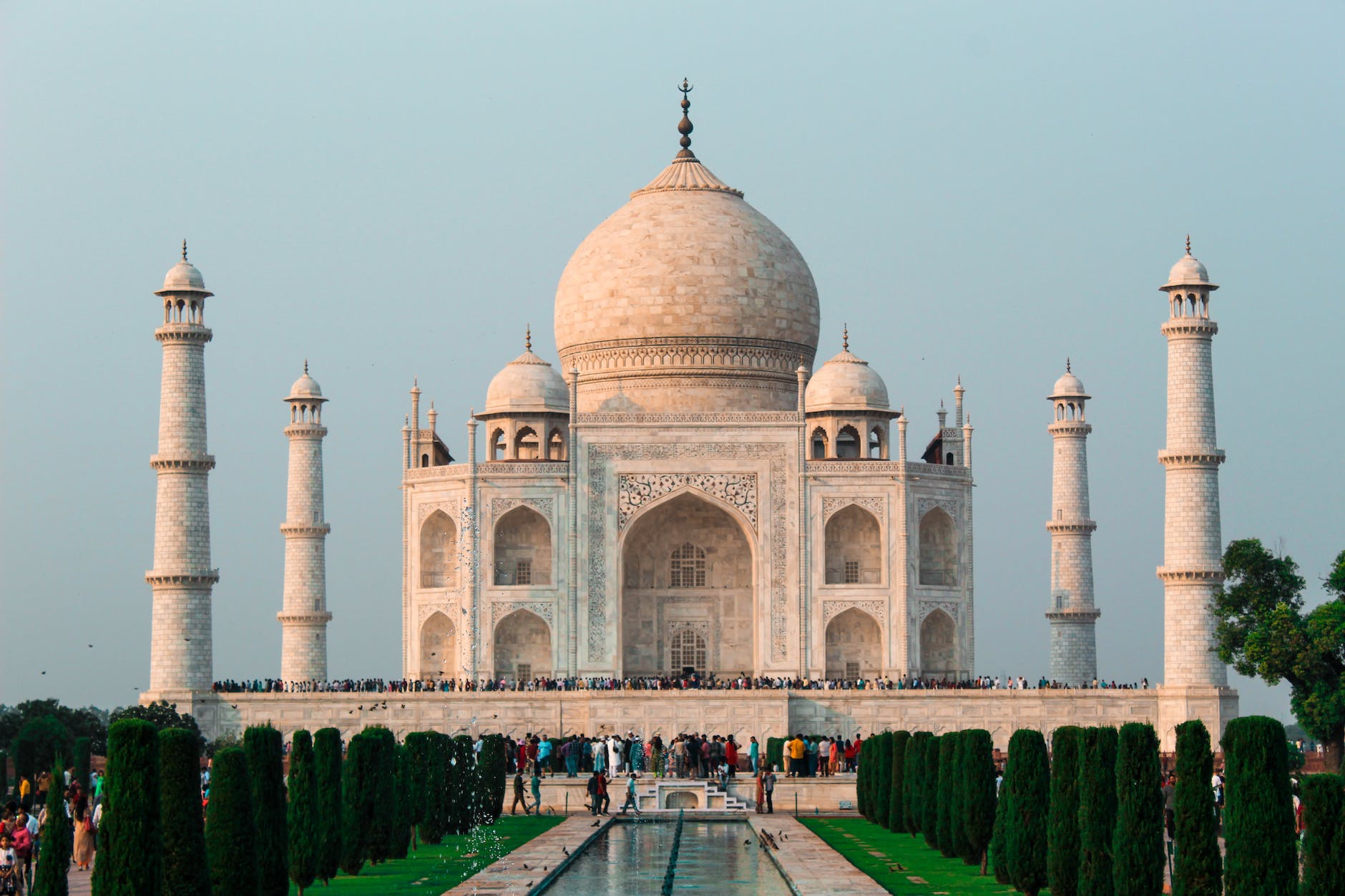
7. The Taj Mahal (Agra, India)
One of the most iconic landmarks in the world, the Taj Mahal is a stunning example of Mughal architecture and a UNESCO World Heritage Site. Built in the 17th century by Emperor Shah Jahan as a mausoleum for his beloved wife Mumtaz Mahal, the Taj Mahal is renowned for its exquisite marble dome, intricate carvings, and symmetrical gardens. Visitors to the Taj Mahal can admire its beauty from various vantage points, including the main entrance gate, the reflecting pool, and the elevated platform of the mausoleum itself. Whether bathed in the soft light of dawn or glowing in the warm hues of sunset, the views of the Taj Mahal are nothing short of magical.
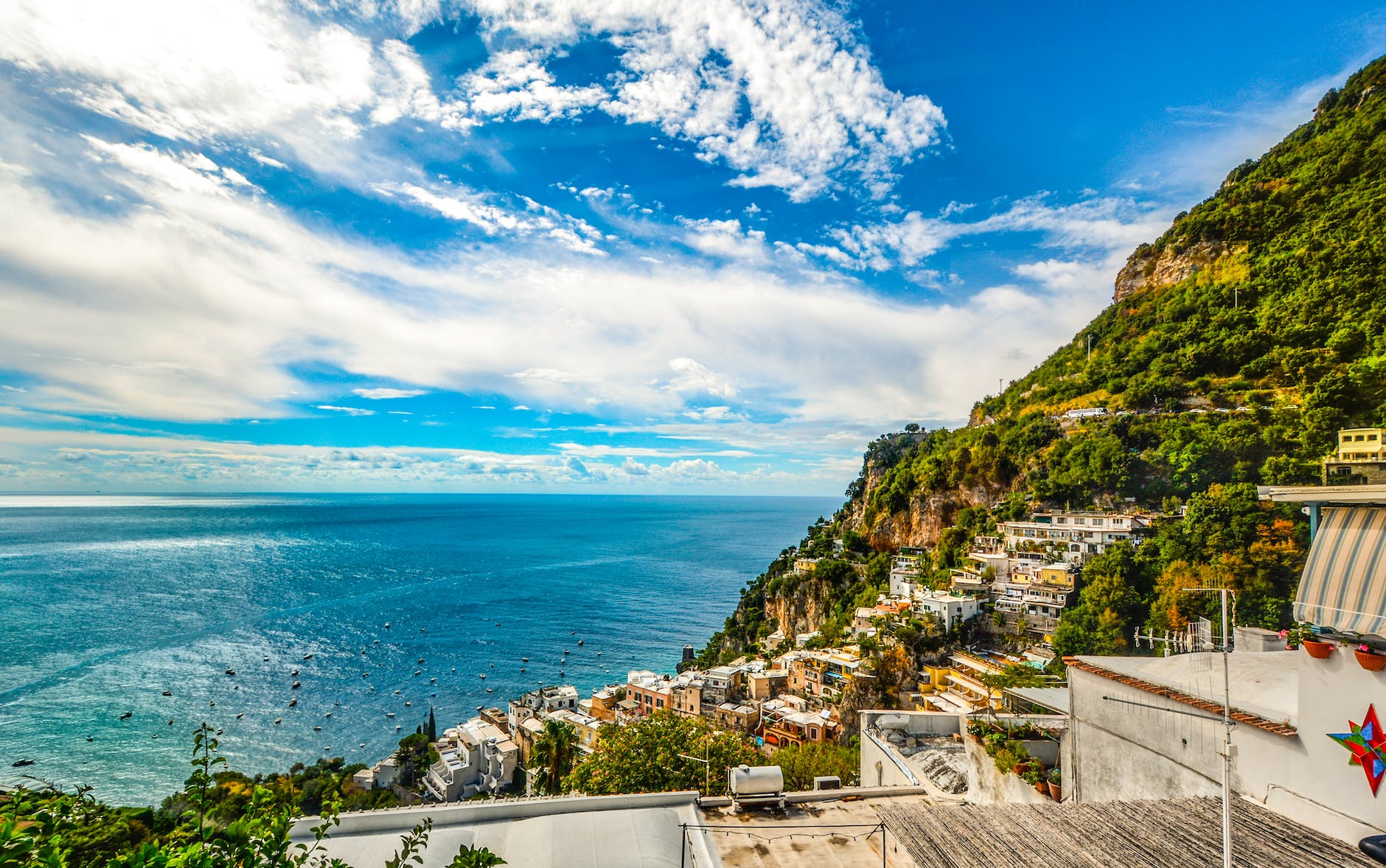
8. The Amalfi Coast (Italy)
Stretching along the rugged coastline of southern Italy, the Amalfi Coast is a stunning region that offers panoramic views of the Mediterranean Sea, picturesque villages, and dramatic cliffs. With its colorful hillside towns, terraced vineyards, and crystal-clear waters, the Amalfi Coast is a popular destination for travelers seeking sun, sea, and stunning scenery. Visitors to the Amalfi Coast can drive along the scenic coastal road, hike along ancient footpaths, or take a boat tour to explore hidden coves and seaside villages. Whether admiring the views from a cliffside terrace or lounging on a sun-drenched beach, the vistas of the Amalfi Coast are truly breathtaking.

9. The Great Barrier Reef (Australia)
Stretching for over 1,400 miles along the coast of Queensland, Australia, the Great Barrier Reef is the largest coral reef system in the world and a UNESCO World Heritage Site. Home to an incredible diversity of marine life, including colorful coral reefs, tropical fish, and majestic marine mammals, the Great Barrier Reef offers panoramic views of its vibrant underwater world. Visitors to the Great Barrier Reef can explore its pristine waters by snorkeling, scuba diving, or taking a glass-bottom boat tour, where they can marvel at its beauty and biodiversity. Whether swimming alongside sea turtles, exploring coral gardens, or spotting playful dolphins, the views of the Great Barrier Reef are nothing short of spectacular.
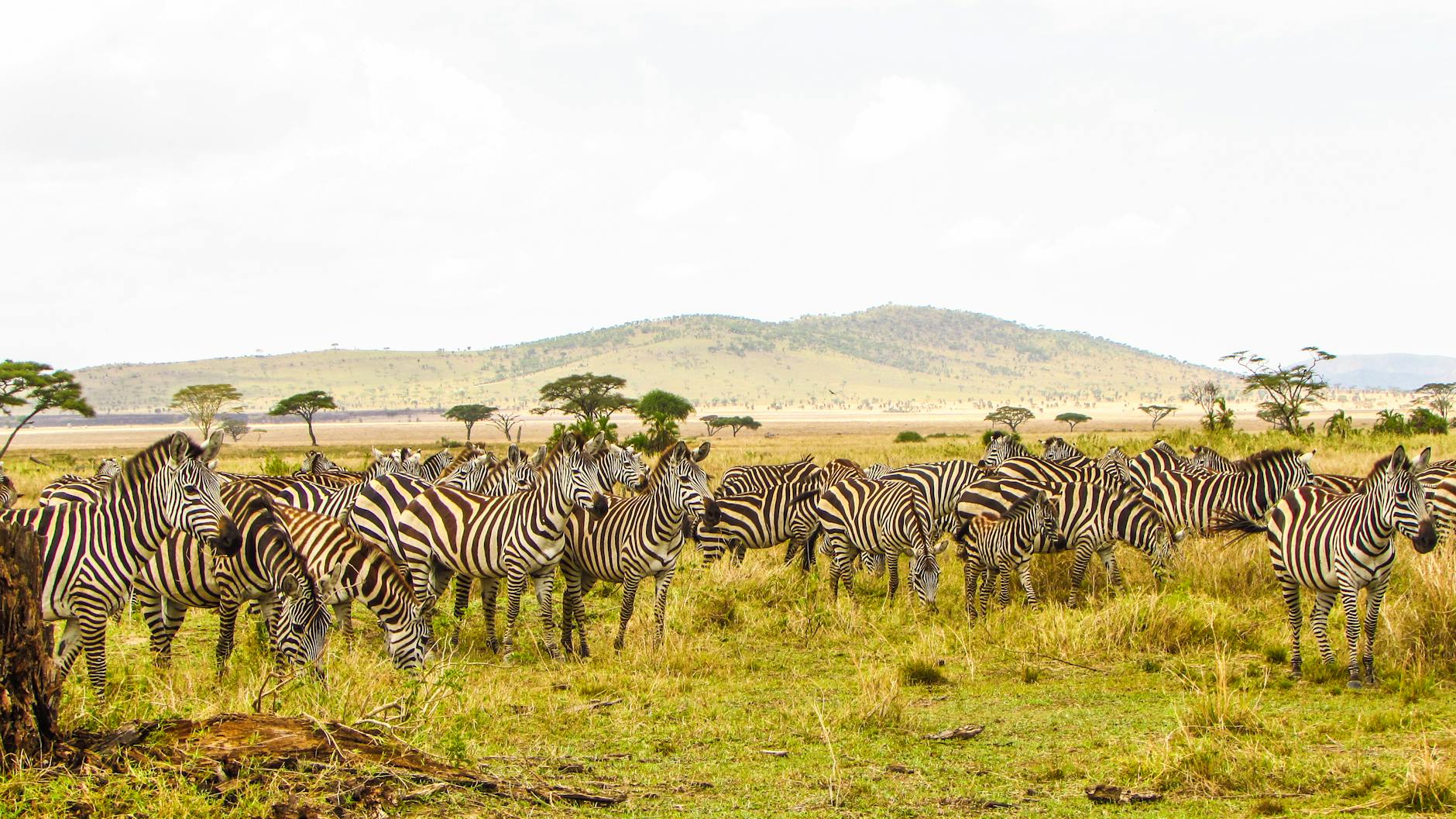
10. The Serengeti National Park (Tanzania)
Located in northern Tanzania, the Serengeti National Park is one of the most iconic wildlife destinations in Africa and a UNESCO World Heritage Site. Known for its vast savannah plains, abundant wildlife, and dramatic landscapes, the Serengeti offers panoramic views of the African wilderness unlike anywhere else on Earth. Visitors to the Serengeti can embark on game drives, hot air balloon safaris, or guided walking tours, where they can witness the annual migration of millions of wildebeest and zebra, as well as spot iconic African species such as lions, elephants, and giraffes. Whether watching a lioness stalk her prey or witnessing a herd of elephants at sunset, the views of the Serengeti are truly awe-inspiring.
Conclusion
From the majestic landscapes of the Grand Canyon to the iconic landmarks of Machu Picchu and the Taj Mahal, there are vistas that offer a glimpse into the beauty and grandeur of the world around us. Whether admiring the Northern Lights dancing across the night sky or gazing out over the crystal-clear waters of the Great Barrier Reef, the views from these panoramic vistas are truly awe-inspiring and unforgettable. So whether you’re an avid traveler, a nature lover, or simply seeking inspiration, be sure to add these breathtaking vistas to your bucket list and experience the wonders of the world firsthand.
Discover more from The World's Best
Subscribe to get the latest posts sent to your email.

 The World's Best
Perfect list. Can’t argue with a single selection 🙂
LikeLiked by 2 people
Thank you! I’m glad you enjoyed the list. It’s always wonderful when there’s something for everyone to appreciate. 🌟
LikeLiked by 2 people
Great post. They all look absolutely breathtaking. But my favourites of where I would love to go is Machu Picchu, Taj Mahal and Italy, so seeing your post has made the traveler in me want to pack my bags and just go, so thank you. Have a good day.
LikeLiked by 2 people
Thank you so much for your kind words! I’m thrilled that the post resonated with you and sparked your wanderlust. Machu Picchu, the Taj Mahal, and Italy are indeed incredible destinations, each offering unique and unforgettable experiences. I hope you get the chance to visit them all soon. Safe travels, and have a wonderful day!
LikeLike
These are all breathtaking. I know I’d love to see the Taj Mahal. It has such a beautiful story behind it, and it’s absolutely majestic.
LikeLiked by 2 people
Indeed, the Taj Mahal is truly awe-inspiring! Its rich history and stunning architecture make it a must-visit for anyone seeking beauty and cultural significance. I hope you get the chance to experience its majesty in person someday. 🕌✨
LikeLiked by 2 people
I agree with this list!
LikeLiked by 1 person
I am glad to know that. Thank you for sharing your thoughts.
LikeLiked by 1 person
Enjoyed the beautiful photos – the coastline of southern Italy, the Amalfi Coast” holds a lot of interest!
LikeLiked by 1 person
I’m glad you enjoyed the photos! The Amalfi Coast is truly stunning, isn’t it? The coastline of southern Italy offers such breathtaking views.
LikeLiked by 1 person
It is – thanks for the photos!
LikeLiked by 1 person
You’re welcome! I’m glad you enjoyed the photos. If you have any requests or suggestions for future content, feel free to let me know!
LikeLiked by 1 person
Ok if ideas occur to me – thanks for following!
LikeLiked by 1 person
No worries at all. Thank you as well for reading and commenting. Much appreciated.
LikeLiked by 1 person
My family and I almost got into the Grand Canyon once. But it was so foggy, we couldn’t see the whole thing. Happened in December of 2019. Before the Covid-19 pandemic broke out.
LikeLike
India’s diverse fauna, encompassing mammals, birds, reptiles, amphibians, and marine life, underscores the country’s status as a biodiversity hotspot. However, habitat destruction, poaching, and human-wildlife conflict threaten the survival of many species. Conservation efforts, coupled with sustainable development practices and community participation, are imperative to safeguarding India’s natural heritage for future generations to cherish and admire. Through concerted action and collective responsibility, India can continue to celebrate its rich wildlife legacy while fostering harmony between humans and the animal kingdom.
LikeLiked by 1 person
Absolutely! India’s rich biodiversity is indeed a treasure, but it’s crucial to address the threats it faces. Conservation efforts, sustainable practices, and community involvement are vital steps toward preserving this invaluable natural heritage. Together, we can ensure a harmonious coexistence between humans and wildlife, securing a brighter future for both.
LikeLiked by 1 person
The Marten, a small to medium-sized carnivorous mammal, is part of the Mustelidae family. These agile creatures are known for their sleek bodies, bushy tails, and sharp claws. In India, martens are represented by two species: the Nilgiri marten (Martes gwatkinsii) and the Yellow-throated marten (Martes flavigula).
LikeLiked by 1 person
Thanks for the information! The Nilgiri and Yellow-throated martens sound fascinating. I’ll definitely look them up to learn more about their habits and habitats.
LikeLiked by 1 person
wow all best places to visit. I wanna visit The Grand Canyon first
LikeLiked by 1 person
ChatGPT
The Grand Canyon is truly a breathtaking destination! Its vastness and natural beauty make it an unforgettable experience. Enjoy your visit—I’m sure it will be an incredible adventure!
LikeLike
Reserved forests in India are a cornerstone of the nation’s environmental conservation strategy. They protect biodiversity, regulate climate, support water management, and provide livelihoods. Ensuring the sustainable management and protection of these forests is crucial for maintaining ecological balance and securing the well-being of future generations.
LikeLiked by 1 person
That’s insightful. Thank you for sharing.
LikeLiked by 2 people
I love your selection. I would love to personally see the great wall
LikeLike
The forests of Northern India are indispensable to the region’s ecology, economy, and cultural heritage. From the lofty Himalayan forests to the deciduous woodlands of the plains, these forests support rich biodiversity, regulate the climate, and provide essential resources for millions of people. Effective conservation and sustainable management are imperative to ensure the continued health and vitality of these vital ecosystems.
LikeLike
The Western Himalayan Sub-Alpine Conifer Forests are a vital component of India’s ecological landscape. Their rich biodiversity, role in climate regulation, soil conservation, and water resource management underscore their ecological significance. Protecting and conserving these forests is crucial for maintaining the health and stability of the Himalayan ecosystem, ensuring that they continue to provide essential services to both nature and human society.
LikeLike
The Himalayan subtropical broadleaf forests in India are an ecologically significant region that supports rich biodiversity, climate regulation, watershed protection, and soil conservation. They are essential for the livelihoods of local communities and play a pivotal role in maintaining the ecological balance in the Himalayan region. Efforts to conserve and sustainably manage these forests are vital for the continued health of this unique ecosystem.
LikeLike