
Embarking on a journey to explore the world’s most iconic architectural marvels is a venture into the heart of human creativity, innovation, and historical significance. From ancient wonders that have withstood the test of time to modern masterpieces that push the boundaries of design, these landmarks tell stories of civilizations, cultures, and the relentless pursuit of architectural excellence. In this exploration, we traverse the globe to discover and marvel at legendary landmarks that stand as testaments to the ingenuity of humanity.
The Sydney Opera House: Architectural Splendor on the Harbour
- Overview: The Sydney Opera House, located on Bennelong Point in Sydney, Australia, is a modern architectural masterpiece that graces the shores of Sydney Harbour. Designed by Jørn Utzon, it is renowned for its distinctive shell-like structures.
- Architectural Innovation: The Sydney Opera House is a triumph of architectural innovation, featuring a series of interlocking shell-like structures that form its iconic sails. The use of precast concrete and innovative engineering solutions contributed to its realization. Completed in 1973, the opera house stands as a UNESCO World Heritage Site.
- Cultural Hub: The Sydney Opera House is more than an architectural marvel; it serves as a cultural hub for performing arts. Hosting a variety of events, including opera, ballet, and concerts, the venue has become synonymous with Sydney’s vibrant cultural scene. Its waterfront location adds to the allure of this architectural gem.
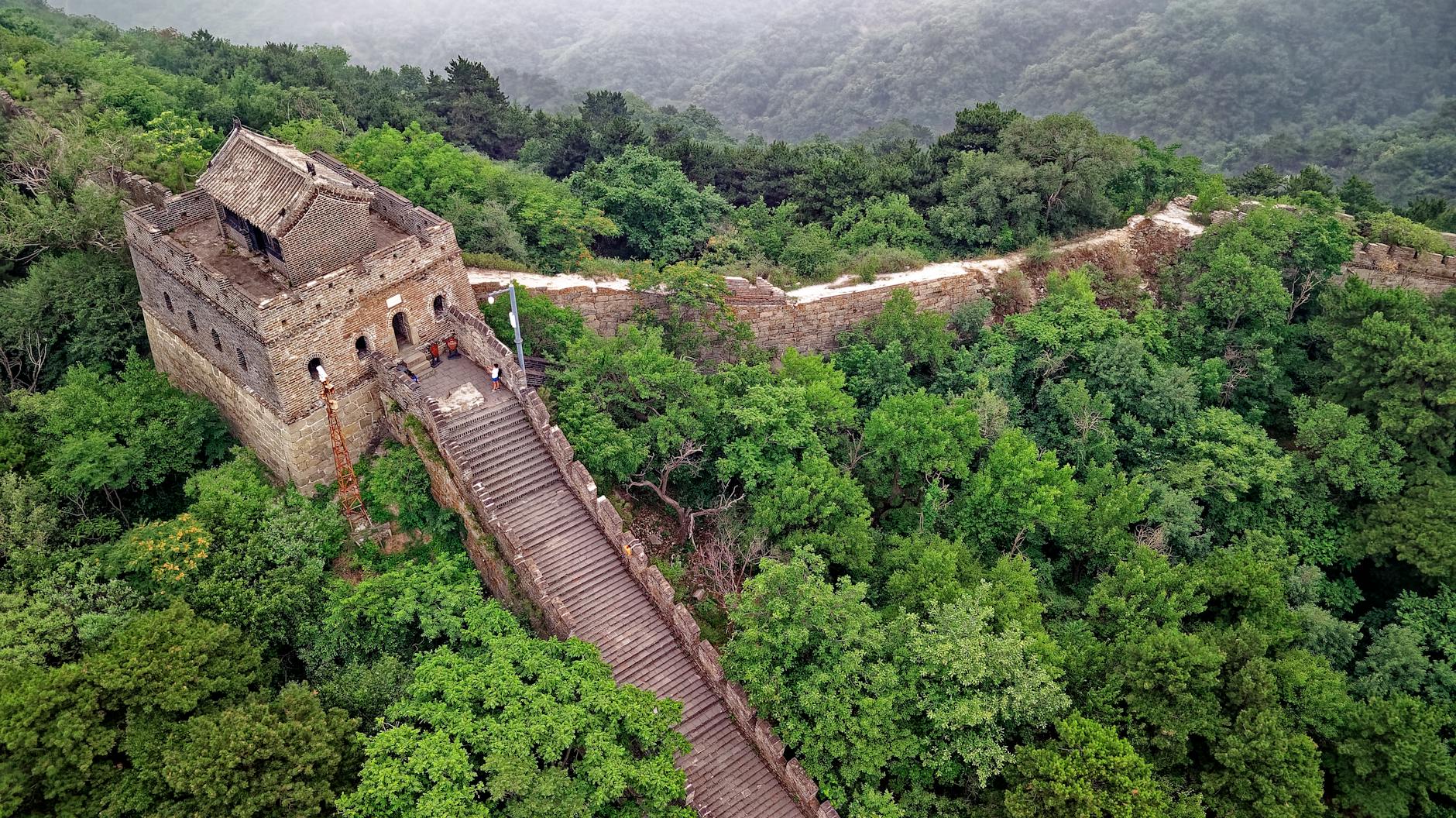
The Great Wall of China: A Symbol of Endurance and Ingenuity
- Overview: Spanning over 13,000 miles across northern China, the Great Wall is not only an architectural marvel but also an emblem of China’s rich history. Built to protect against invasions, the wall represents centuries of construction efforts by various dynasties, each contributing to its grandeur.
- Design and Construction: The Great Wall is a testament to ancient engineering, with its construction dating back to the 7th century BC. The wall comprises a series of fortifications, including walls, watchtowers, and garrison stations. Built using materials such as earth, wood, bricks, and stone, the Great Wall showcases the adaptive construction techniques employed by different dynasties.
- Cultural Significance: Beyond its strategic purpose, the Great Wall holds immense cultural significance. It symbolizes China’s resilience and determination to protect its civilization. Visitors can explore sections of the wall, such as Mutianyu or Badaling, to witness the architectural prowess that has left an indelible mark on the landscape.

The Pyramids of Giza: Ancient Marvels Standing the Test of Time
- Overview: The Pyramids of Giza, located on the outskirts of Cairo, Egypt, are among the most iconic and enduring structures of ancient civilization. Comprising the Great Pyramid of Khufu, the Pyramid of Khafre, and the Pyramid of Menkaure, these structures have enthralled the world for millennia.
- Architectural Feat: Built during the Fourth Dynasty of the Old Kingdom, the Pyramids of Giza showcase the precision and mathematical knowledge of ancient Egyptian architects. The construction involved colossal limestone and granite blocks, with the Great Pyramid originally standing at 146.6 meters tall.
- Cultural and Mystical Significance: Beyond their architectural brilliance, the pyramids hold cultural and mystical significance. Aligned with celestial bodies and believed to be tombs for pharaohs, the pyramids continue to be shrouded in mystery. The Sphinx, a colossal limestone statue with the body of a lion and the head of a pharaoh, adds to the mystique of the Giza Plateau.

The Taj Mahal: A Monument to Love and Architectural Elegance
- Overview: Located in Agra, India, the Taj Mahal stands as an immortal symbol of love and architectural perfection. Commissioned by Emperor Shah Jahan in memory of his beloved wife Mumtaz Mahal, the mausoleum is a UNESCO World Heritage Site and one of the New Seven Wonders of the World.
- Architectural Beauty: The Taj Mahal’s architectural beauty lies in its symmetrical design, intricate marble inlays, and the mesmerizing play of light and shadow. The main mausoleum is flanked by symmetrical gardens, water channels, and a reflective pool, creating a serene and harmonious atmosphere.
- Cultural Heritage: Beyond its architectural allure, the Taj Mahal is a testament to the rich cultural heritage of India. The fusion of Persian, Indian, and Islamic architectural styles reflects the cultural synthesis prevalent during the Mughal era. Visitors from around the world flock to witness the timeless beauty and romantic narrative encapsulated by the Taj Mahal.
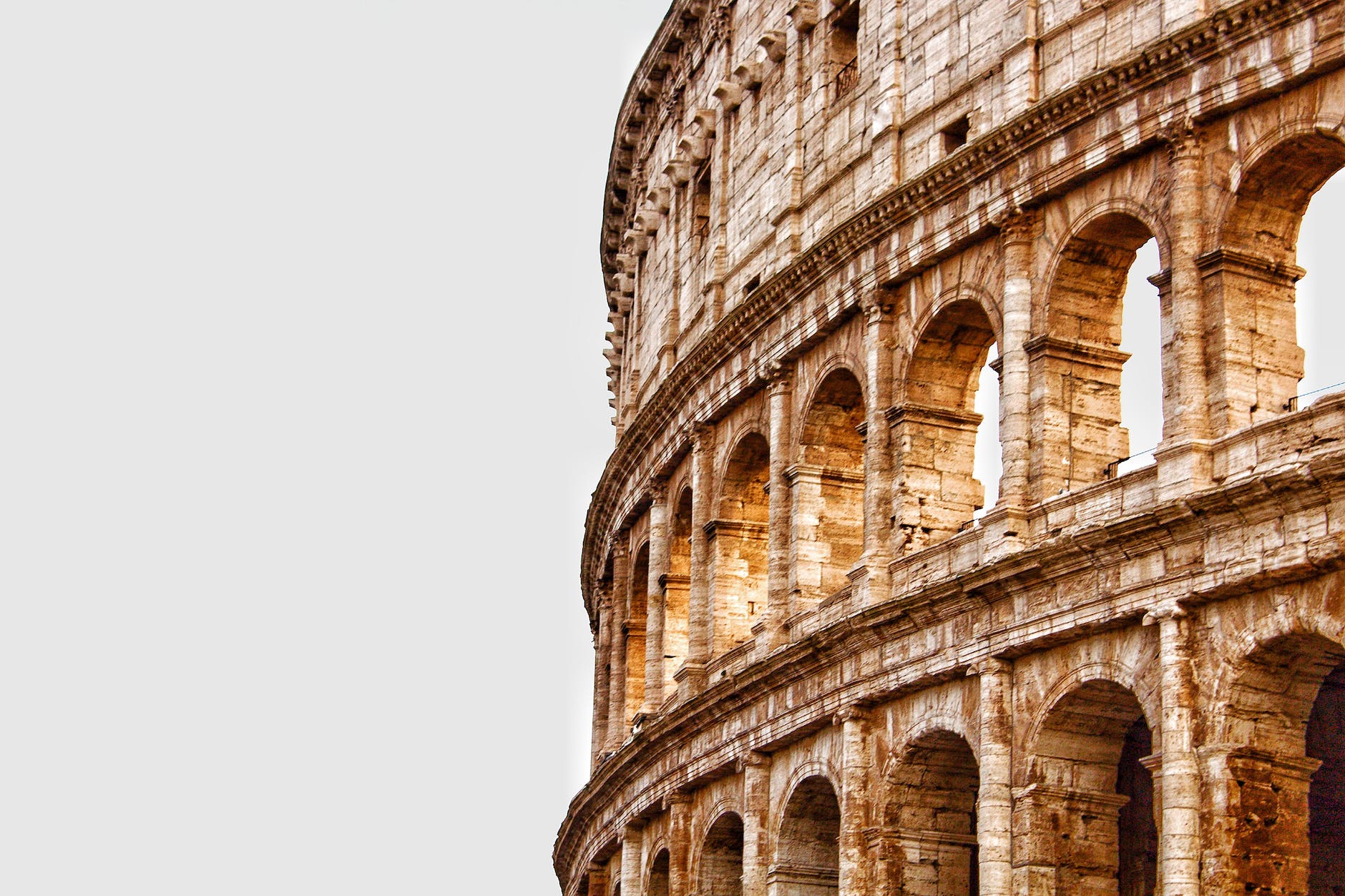
The Colosseum: Rome’s Grand Amphitheater of Spectacle and Engineering
- Overview: The Colosseum, also known as the Flavian Amphitheatre, stands as a symbol of ancient Rome’s grandeur and engineering prowess. Located in the heart of Rome, Italy, this colossal amphitheater once hosted gladiator contests, animal hunts, and public spectacles.
- Architectural Ingenuity: Constructed between AD 70 and 80, the Colosseum boasts innovative architectural features, including a complex system of ramps, trapdoors, and a vast underground network known as the hypogeum. The elliptical design with tiered seating allowed the Colosseum to accommodate up to 80,000 spectators.
- Cultural and Historical Significance: The Colosseum is not only a marvel of engineering but also a cultural and historical icon. It reflects the Romans’ fascination with entertainment and the gladiatorial contests that became integral to their social fabric. Today, the Colosseum stands as a testament to ancient Roman civilization and is a UNESCO World Heritage Site.

The Eiffel Tower: Parisian Elegance and Technological Innovation
- Overview: The Eiffel Tower, a symbol of Paris and France, is an iconic wrought-iron structure that graces the Champ de Mars in the heart of the city. Designed by Gustave Eiffel, it was completed in 1889 as the entrance arch for the 1889 World’s Fair.
- Innovative Design: The Eiffel Tower’s innovative design was revolutionary for its time, featuring an iron lattice structure that combined aesthetic appeal with structural strength. Its three levels, observation decks, and intricate ironwork showcase the technological advancements of the late 19th century.
- Cultural Icon: Beyond its architectural significance, the Eiffel Tower has become a cultural icon synonymous with Paris. It offers panoramic views of the city, making it a popular destination for tourists and a symbol of the city’s elegance and romance. The tower’s nightly light displays add to its allure.

The Burj Khalifa: Touching the Sky in Dubai
- Overview: The Burj Khalifa, situated in Dubai, United Arab Emirates, is a towering testament to modern engineering and architectural ambition. Soaring to a height of 828 meters, it is the tallest structure in the world, dominating the city’s skyline.
- Vertical Marvel: The Burj Khalifa’s design incorporates both Islamic and modern influences, with a sleek, tapering structure that evokes traditional minarets. The skyscraper’s construction involved advanced engineering techniques, including reinforced concrete, and a robust foundation to support its towering height.
- Urban Landmark: Beyond its structural grandeur, the Burj Khalifa has become an urban landmark, symbolizing Dubai’s rapid development and global prominence. Its observation decks offer breathtaking views of the city and the surrounding desert, making it a must-visit destination for travelers and architecture enthusiasts.
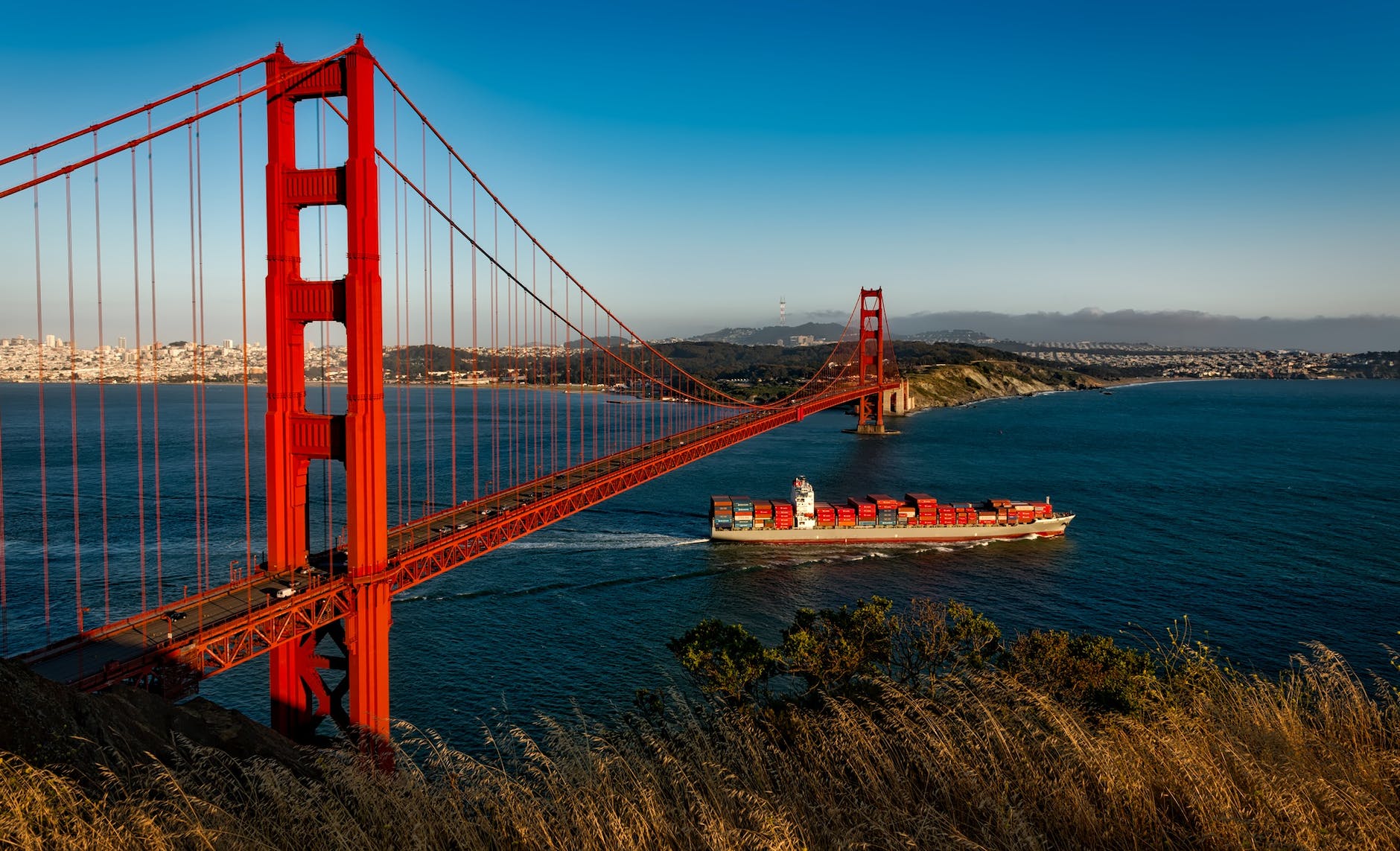
The Golden Gate Bridge: San Francisco’s Iconic Suspension Masterpiece
- Overview: The Golden Gate Bridge, spanning the Golden Gate Strait in San Francisco, California, is an iconic suspension bridge that stands as a symbol of American engineering excellence. Completed in 1937, it connects San Francisco to Marin County.
- Engineering Marvel: The Golden Gate Bridge’s distinctive orange color, spanning 1.7 miles, and towering art deco towers make it an engineering marvel. Designed to withstand strong winds, ocean currents, and seismic activity, the bridge has stood the test of time and remains one of the most recognizable structures in the world.
- Cultural Symbol: The Golden Gate Bridge is not merely a transportation link; it is a cultural symbol embedded in the identity of San Francisco. Its breathtaking views, especially during the foggy mornings, attract visitors and photographers alike, making it a cherished landmark and an integral part of the city’s charm.

The Petronas Towers: Twin Icons of Kuala Lumpur’s Skyline
- Overview: The Petronas Towers, located in Kuala Lumpur, Malaysia, are twin skyscrapers that once held the title of the world’s tallest buildings. Designed by Cesar Pelli, these towers are a striking blend of Islamic motifs and modern architectural design.
- Architectural Fusion: The Petronas Towers’ design incorporates Islamic architectural elements, including geometric patterns and pointed arches, with modern materials such as steel and glass. The twin towers are connected by a skybridge, adding to their visual appeal and functionality.
- Economic Hub: Beyond their architectural significance, the Petronas Towers symbolize Malaysia’s economic growth and global influence. The towers house offices, a shopping mall, and an observation deck, contributing to Kuala Lumpur’s status as a vibrant economic and cultural hub in Southeast Asia.
Conclusion
Embarking on a journey to explore the world’s best architectural marvels is a voyage through time, culture, and human achievement. From ancient wonders that have stood for centuries to modern skyscrapers that pierce the sky, these landmarks narrate the stories of civilizations, reflect cultural identities, and showcase the evolving language of architecture.
As we marvel at these legendary landmarks, we are reminded of the boundless creativity and innovation that define human civilization. Each structure is a testament to the aspirations, skills, and ambitions of those who conceived, designed, and built them. Whether ancient or contemporary, these architectural wonders inspire awe, ignite imaginations, and stand as enduring symbols of human achievement in our ever-evolving world.
Discover more from The World's Best
Subscribe to get the latest posts sent to your email.

 The World's Best
This post truly ignited my wanderlust!
LikeLiked by 1 person
I’m glad to hear that this post sparked your wanderlust! Where are you dreaming of going next?
LikeLiked by 1 person
I’d love to go to Paris, and my husband to Australia. Let’s hope we can do both!
LikeLiked by 1 person
That sounds like an exciting plan! Wishing you both the opportunity to explore Paris and Australia soon. 🌏🗼
LikeLiked by 1 person
NICE 💚💓💖
Blessed and Happy friday
Greetings 🇪🇸🫂
LikeLiked by 2 people
Visiting Taj Mahal was a dream come true. The atmosphere there with the ambiance is serene💕
LikeLiked by 2 people
That sounds like an incredible experience! The Taj Mahal is indeed a marvel, with its majestic beauty and tranquil surroundings. I’m glad you had the opportunity to fulfill your dream of visiting such an iconic landmark. 💖
LikeLiked by 1 person